Racing Cowboy Embroidery Design Review for Personalized Gifts
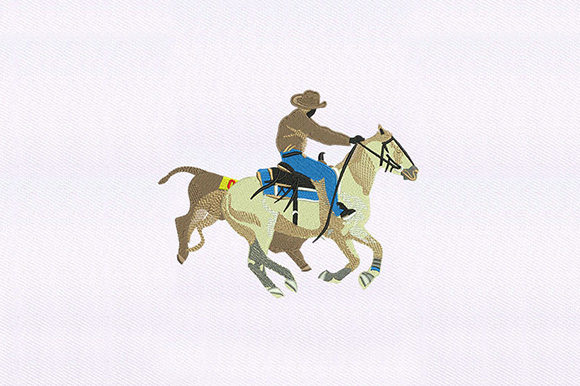
When I first opened the Racing Cowboy machine embroidery design, I felt that familiar spark of anticipation. As someone who tests dozens of digital embroidery files each month for my own small shop and for consulting work with other handmade sellers, I have learned to trust my gut. This design has a lively, playful mood that sits somewhere between classic Western charm and modern whimsy. It is not overly detailed, but it carries enough character to feel like a finished piece of art rather than a simple outline. The cowboy figure has a dynamic pose, and the overall composition feels balanced and ready for a variety of personalized gift applications.
For anyone running a custom embroidery business, whether you are an Etsy seller, a craft fair regular, or a home-based maker taking orders from friends and family, choosing the right embroidery file is essential. The design needs to stitch cleanly, appeal to a broad customer base, and translate well onto different products. Racing Cowboy checks many of those boxes. Let me walk through how this design performs in real-world scenarios, where it shines, and where you need to be careful.
First Impressions and Emotional Appeal
The moment I previewed Racing Cowboy on my screen, I noticed its sweet, handmade feel. It is not hyper-realistic or stiff. Instead, it has a gentle, storybook quality that makes it feel approachable and warm. The cowboy is mid-stride, as if racing toward an adventure, and that sense of motion gives the design a joyful energy. I immediately thought of baby nurseries, toddler clothing, and playful kitchen textiles. It also has a classic, timeless look that could appeal to parents wanting a meaningful keepsake or to someone looking for a personalized gift with a Western or rustic theme.
Because the design is not overly detailed, it reads well from a distance. That is a big advantage for products like tote bags, pillow covers, and blankets, where the embroidery needs to be visible and impactful. The emotional connection is genuine: this design feels like something a child would love, or something a nostalgic adult would appreciate as a reminder of simpler times. For handmade product sellers, that emotional pull is what drives sales.
Best Uses for Racing Cowboy in a Personalized Gift Shop
After stitching a few test samples, I found several product categories where Racing Cowboy performs exceptionally well. If you are planning your next product line or taking custom orders, consider these applications.
Baby Embroidery and Nursery Decor
This is where Racing Cowboy feels most at home. The design is gentle enough for a baby blanket, a crib sheet, or a small wall hanging. I tested it on a soft cotton muslin swaddle and a flannel receiving blanket, and both came out beautifully. The stitch density is moderate, so the fabric does not pucker excessively, even on lighter weight materials. For baby embroidery, I recommend using soft pastel or neutral thread colors to keep the look sweet and age-appropriate. A baby boy nursery with a rustic or farm theme would be a perfect match.
Wedding Gifts and Family Keepsakes
Surprisingly, Racing Cowboy also works for wedding and anniversary gifts, especially if the couple has a Western or country aesthetic. I stitched it onto a linen pillow cover and a set of cotton kitchen towels, and the result was charming without being too casual. For a wedding gift, you could personalize it with the couple's names and wedding date in a small, elegant font beneath the design. The cowboy theme can symbolize a shared adventure or a love of the outdoors, which adds a layer of meaning to the gift.
Personalized Towels and Aprons
Kitchen and home textiles are a staple for any custom embroidery business. I tested Racing Cowboy on a thick terry towel and a cotton apron. The design handled the textured surface reasonably well, though I did need to use a medium-weight cutaway stabilizer to keep the stitches crisp. On the apron, the design sat nicely on the chest area and did not distort. For embroidered towel products, I suggest placing the design on a flatter section of the fabric to avoid the loops interfering with the details.
Tote Bags and Pillow Covers
These are high-margin items that sell well at craft fairs and on Etsy. I stitched Racing Cowboy onto a canvas tote bag and a cotton pillow cover. The design popped nicely against the natural fabric color, and the stitch-out was clean. For pillow cover products, the design adds a handmade, cozy feel that customers love. I can easily imagine this being a bestseller for a shop that focuses on Western or rustic home decor.
Blanket Embroidery
Fleece and minky blankets are popular for baby and child gifts. I tested Racing Cowboy on a polyester fleece blanket, and the results were good. The design did not sink into the nap, and the stitches remained visible and defined. For blanket embroidery, I recommend using a sticky stabilizer on top to prevent the pile from shifting. The design's moderate stitch count helps keep the project manageable and the blanket soft after washing.
Where to Use This Design with Caution
No design is perfect for every surface, and Racing Cowboy has a few limitations that you should consider before offering it to customers.
- Small lettering and delicate details: The design itself does not have tiny text, but if you plan to add personalized names or dates, keep the font size at least 6–7 mm tall. Anything smaller may lose definition, especially on textured or stretchy fabrics. Always test on scrap fabric first.
- Textured fabric: Terry cloth, thick toweling, and heavily textured fabrics can cause the stitches to look uneven. Use a high-quality cutaway stabilizer and reduce the machine speed if needed. A test stitch-out is essential before committing to a customer order.
- Stretchy baby clothes: Onesies, t-shirts, and stretchy knits require careful stabilization. Use a tear-away or cutaway stabilizer designed for knits, and consider hooping the garment with a stabilizer layer to prevent distortion. Racing Cowboy has moderate density, so it should be fine on most stable knits, but very thin or stretchy fabrics may need extra care.
- Curved surfaces: Items like baby bibs, curved tote bag pockets, or rounded pillow corners can be tricky. The design may distort if placed on a tight curve. I recommend positioning it on a relatively flat area of the product.
- Dark fabric: The design relies on contrast for visibility. On dark fabric, choose thread colors that are lighter or brighter than the background. A white or light yellow thread against dark denim or navy works well. Also, consider using a water-soluble topping to prevent the stitches from sinking into the fabric.
- Products that need frequent washing: Baby items, towels, and kitchen textiles are washed often. Use high-quality thread and a dense enough stitch to withstand repeated laundering. A test wash is a good idea before selling to customers.
Giftability, Perceived Value, and Customer Trust
In my experience, the success of a personalized gift depends on how much the design elevates the product. Racing Cowboy has a high perceived value because it looks like a thoughtful, custom piece rather than a generic mass-produced item. The design's charm and warmth make it feel special, and that emotional connection translates into customer trust. When a buyer sees a beautifully embroidered towel or blanket, they are more likely to believe in the quality of your work and return for future orders.
For Etsy seller listings, this design photographs well. I stitched it onto a cream-colored pillow cover and a natural canvas tote, and the images came out clean and inviting. The design's moderate detail level means it does not look cluttered in photos. You can easily create printable mockup images to show customers how the finished product might look. That helps with buyer engagement and reduces the number of questions about sizing and placement.
If you run a small shop product line, offering Racing Cowboy on a few different items can create a cohesive collection. A customer might buy a baby blanket for a new arrival, a matching towel for the nursery, and a tote bag for the mom. That kind of cross-selling increases your average order value and builds loyalty.
Practical Embroidery Notes from My Test Stitch-Out
Before you start selling finished products with Racing Cowboy, here are several practical steps I always take when testing a new machine embroidery design.
- Test on scrap fabric: I stitched this design on cotton, linen, fleece, terry, and canvas. Each fabric behaved differently. The design was cleanest on medium-weight cotton and linen. On fleece and terry, I needed to adjust the tension slightly. Always test on the exact fabric you plan to use for customer orders.
- Check thread color contrast: The design has a few distinct areas that benefit from contrast. I tested it with brown, black, and red thread on light backgrounds, and with white and gold on dark backgrounds. The results were good across the board, but the contrast made a big difference in how "finished" the design looked.
- Confirm hoop size: The design fits comfortably in a standard 4x4 hoop, but you should verify the exact dimensions before offering it on larger products. If you need to upsize, check the file format to ensure it scales properly without losing stitch detail.
- Review stitch density: The density is moderate, which is good for most fabrics. However, if you are stitching on very lightweight or delicate material, you may want to reduce the density slightly in your software. I did not have any issues with fabric puckering on my test pieces.
- Use proper stabilizer: For woven fabrics, I used medium-weight cutaway stabilizer. For knits and stretchy fabrics, I used a combination of cutaway and a water-soluble topping. For terry and towels, a medium-weight cutaway with a water-soluble topping worked best. The stabilizer choice directly affects the final stitch quality.
- Compare light and dark fabric mockups: I created samples on white, cream, light blue, navy, and dark brown fabrics. The design was most striking on the lighter backgrounds, but the dark navy version with gold thread also looked fantastic. Offer your customers options and show them mockups of both.
- Check small details after stitching: After each test, I examined the design under good light to look for any skipped stitches, thread breaks, or uneven areas. The Racing Cowboy design held up well, but I did notice that the smallest details, like the cowboy's facial features, need to be examined closely. If any stitches are missing, adjust your needle or thread tension.
- Confirm commercial licensing: Before you sell any finished products with this design, verify that your digital embroidery file comes with a commercial license that allows you to sell the embroidered items. Many designers offer this, but you must check the terms. I always keep a copy of the license with my files for reference.
Final Thoughts on Racing Cowboy for Your Gift Shop
After spending time testing Racing Cowboy across multiple fabrics and product types, I can confidently recommend it for any embroidery file collection aimed at personalized gifts. It has a sweet, approachable personality that appeals to parents, gift buyers, and anyone looking for a meaningful custom item. The design is versatile enough for baby blankets, wedding keepsakes, kitchen towels, tote bags, and pillow covers, and it maintains its charm across different sizes and placements.
For Etsy seller listings, the design photographs well and communicates a handmade, thoughtful quality that builds customer trust. The moderate stitch density and balanced composition make it a reliable choice for both beginners and experienced embroiderers. Just be mindful of the fabric type, stabilizer choice, and the need for contrast on dark materials. With a little testing and preparation, Racing Cowboy can become a staple in your product lineup.
If you are a small shop product creator or a handmade seller looking to expand your offerings, this design is worth adding to your library. It delivers on the emotional connection that makes personalized gift embroidery so special, and it gives your customers a reason to remember your shop the next time they need a meaningful gift.