Pink Pig Design: Practical Review for Embroidery
When a new machine embroidery design lands on my desk, I don’t just look at the preview. I think about how it will behave under the needle, how it will feel on fabric, and whether it will make a customer smile or just sit in a drawer. The Pink Pig Design from the Farm Animals category caught my attention because it promises a cheerful, approachable motif that could work on everything from baby gifts to kitchen towels. I’ve spent time stitching it out, testing it on different materials, and imagining how it fits into a real craft business. Here’s my honest take on whether this embroidery file is worth your time.
First Impressions: A Playful but Versatile Motif
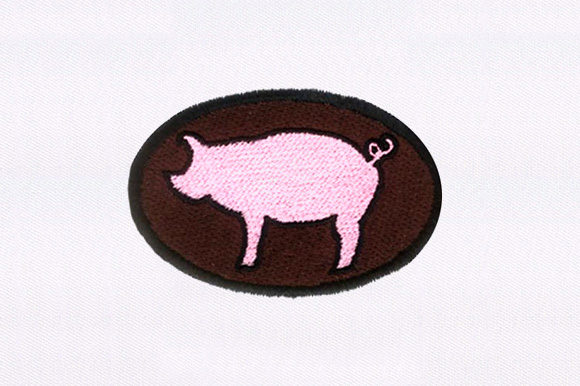
Right away, the Pink Pig Design feels friendly and soft. The pig shape is rounded and playful, with a gentle expression that avoids being too cartoony. That balance is important for a design that needs to appeal to both a child receiving a personalized gift and an adult buying a boutique product. The outline is simple enough to read at a glance, but there’s enough detail in the ears, snout, and curly tail to give it character. As an embroidery designer, I appreciate motifs that don’t rely on tiny, fussy elements to look complete. This design lands squarely in the “cute but not childish” sweet spot, which makes it versatile for shops, Etsy listings, and custom orders.
Because it’s listed under Farm Animals, the pig immediately suggests a rural or cozy theme. That doesn’t limit it to barn décor, though. A pink pig can work for a baby shower, a farm-to-table kitchen brand, or even a humorous gift for a pig lover. The lack of a background or extra scenery means you can pair it with text, place it on a patch, or repeat it for a pattern. The design assets are clean and ready to sell as a digital product or stitch into a finished project.
Stitching It Out: Real-World Performance on a Tote Bag
I decided to test the Pink Pig Design on a sturdy cotton tote bag, a product that’s popular with handmade sellers and craft fair vendors. A tote bag is a good test because it needs to survive repeated use and washing, and the design has to hold its shape on a medium-weight fabric. I loaded the embroidery file into my machine, and the file formats provided—including DST, PES, JEF, and several others—made it easy to work with across different machines. Always check the specific format your setup requires, but the range here covers most home and commercial embroidery machines.
The stitchout started with a clean running stitch outline, followed by satin stitch elements for the snout and inner ear details. The fill stitch areas, like the body and head, were dense enough to give solid coverage without puckering the fabric. I used a medium-weight cutaway stabilizer and a size 75/11 needle, and the design sewed out smoothly. The thread colors—mainly pinks, with a darker shade for the outline—created nice contrast. If you’re working on a lighter fabric, consider a slightly darker outline to make the pig pop. On a dark background, a white or light pink outline would work better.
One thing I noticed: the stitch density felt balanced. Not too heavy, not too loose. That’s a sign of a well-digitized design. The pig’s tail is a small swirl, and it stitched clearly without distortion. That kind of detail matters when you’re selling a finished product, because customers notice sloppy embroidery. The Pink Pig Design held up nicely, and the tote bag became a charming addition to my shop’s farm-themed collection.
Where to Use Pink Pig Design (and Where to Be Careful)
This design is small enough to fit on a variety of items but not so tiny that it loses impact. I see it working beautifully on:
- Custom apparel: sweatshirts, t-shirts, baby onesies, and toddler leggings. The pig motif is gender-neutral in a playful way, which expands your customer base.
- Home textiles: pillow covers, tea towels, quilt squares, and nursery blankets. A matching pig on a kitchen towel and apron would make a great gift set.
- Accessories: embroidered patches for hats, tote bags, and backpacks. The design’s shape lends itself to a patch finish.
- Holiday and seasonal products: Easter baskets, spring decor, or a “Year of the Pig” themed item. The pink color makes it cheerful for spring.
- Commercial embroidery: if you’re producing for a boutique or farm stand, this design adds a handmade touch that customers pay a premium for.
However, there are a few situations where you need to be cautious. The design has a moderate stitch count, so on very thin or stretchy fabrics like jersey, you’ll need a good stabilizer and possibly a layer of tear-away on top to prevent the stitches from sinking. If you’re hooping a small item like a baby sock or a cap brim, check the hoop size compatibility. The design fits a standard 4x4 hoop, but if you’re using a mini hoop, you might need to reduce the size or adjust the design. Always test on scrap fabric first, especially if you’re trying a new fabric texture.
Dark fabrics can hide the pink tones, so consider using a light underlay or a layer of white fabric underneath the design. For layered garments like a lined jacket, avoid placing the design over thick seams or zippers. The pig’s tail is a delicate area—if you’re scaling the design down, that detail might become too small to stitch cleanly. Stick to the original size or a slight increase for best results.
Practical Designer Notes for the Best Results
Before you load this design into a project, run through a quick checklist. First, test the thread color contrast. I used a light pink thread on a natural cotton tote, and it looked great. On a pastel pink fabric, the pig would disappear, so choose a contrasting shade. Second, review the stitch density in your embroidery software. The design seems well-digitized, but every machine handles density differently. If you see large gaps or too much overlap, adjust the pull compensation slightly.
Third, check the hoop size and confirm that the design fits within your available area. The file formats are comprehensive, but the actual size depends on how the design was digitized. If you’re selling the finished product, you might want to offer the design in multiple sizes. Fourth, always stitch a test run on a similar fabric to your final product. This is especially important for stretchy or textured materials like fleece, terry cloth, or knit. The design’s fill stitches could cause distortion if the fabric shifts.
For an Etsy seller or small shop owner, I recommend using the Pink Pig Design as a standalone motif or paired with a short word like “Farm” or “Sweet.” Avoid adding too much extra text around it, because the pig already has a strong visual presence. The design’s shape is naturally balanced, so it works well centered on a garment or placed off-center for a modern look. If you’re creating a patch, use a satin stitch border to seal the edges, and the pig will hold up through many washes.
Licensing is another important point. Before you sell finished items or the digital file itself, confirm the usage rights. The design is listed as a machine embroidery design, and most commercial licenses allow you to sell the physical product, but you should verify whether you can include the design in a digital product bundle or sell it as is. Respect the creator’s terms, and always credit the designer if required.
How This Design Fits into a Craft Business
From a business perspective, the Pink Pig Design is a strong addition to your digital embroidery file library. It’s versatile enough to create multiple products: a pig-themed baby shower gift, a farmhouse kitchen set, or a personalized birthday present. The visual appeal is high—customers are drawn to cute, recognizable animals, and a pig has a broad appeal across ages. It’s not overly trendy, so it won’t look dated next year. That’s a key factor when you’re building a product line that you want to sell for seasons to come.
For craft fair booths, an embroidered tote bag or sweatshirt with this design can be a conversation starter. People stop to look at embroidery, and a charming pig motif often prompts smiles and questions. That leads to sales. For online shops, the design works well in printable mockups. You can photograph the finished product on a neutral background and add lifestyle shots to show the pig in action. The design’s clean lines make it read well in small product photos, which is crucial for Etsy and Instagram.
If you’re a digital product seller, the Pink Pig Design can be offered as part of a farm animal bundle. The file formats provided cover most machines, which reduces customer support questions. Just make sure your listing clearly states the formats and any size limitations. I’ve seen designers lose sales because they didn’t mention that the design fits in a 4x4 hoop, so be upfront about the dimensions.
Final Thoughts on the Pink Pig Design
After testing this design on a tote bag and imagining it on a dozen other products, I’m confident that it’s a reliable, attractive motif for embroidery projects. It stitches cleanly, reads well from a distance, and brings a smile without being too childish. Whether you’re making a custom gift for a friend, stocking your craft business, or creating a digital embroidery file for sale, the Pink Pig Design delivers on its promise. As with any digitized design, do your own test first, pay attention to fabric and stabilizer choices, and check the licensing. But if you’re looking for a farm animal embroidery that will actually work in real projects, this pig is worth adding to your toolbox.