A Close Look at Trophy: A Machine Embroidery Design for Personalized Gifts
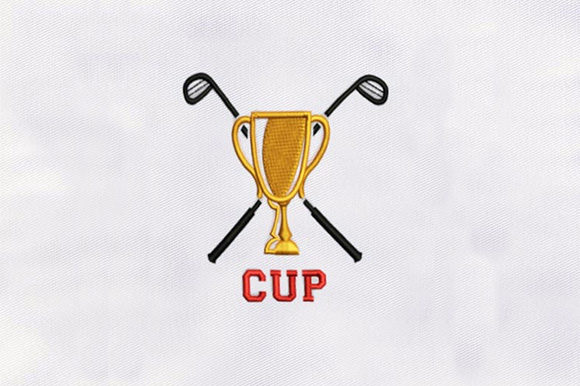
When I first opened the Trophy machine embroidery design and ran it through my digitizing software, I immediately felt a sense of achievement. That is exactly the mood this design captures. It is not just a graphic of a trophy; it is a symbol of celebration, recognition, and heartfelt pride. For anyone running a personalized gift shop or selling custom embroidery on Etsy, this design has a versatile emotional appeal that can be adapted across many product categories. Whether you are stitching for a sports victory, a baby milestone, or a wedding keepsake, Trophy offers a classic, clean silhouette that feels both playful and dignified. The design is crisp, the lines are well-defined, and the overall impression is one of quality craftsmanship. It does not feel overly complicated, which is a huge advantage when you are stitching it onto items that need to withstand frequent washing or handling.
First Impressions: Mood, Charm, and Detail Level
Trophy strikes a careful balance between detail and practicality. The design has a charming, hand-drawn quality that makes it feel approachable, yet the structure is solid enough to look professional on a finished product. The emotional appeal is strong: it says "you did it" or "this moment matters." That is gold for a gift shop owner. Customers buying embroidered gifts are almost always looking for that emotional connection. The design feels simultaneously modern and timeless, which means it will not look dated after a season. The thread color choices you make will heavily influence the mood. Stitch it in gold and metallic threads for a celebratory, elegant feel, or use soft pastels for a baby-themed interpretation. For a wedding gift, a monochromatic or metallic finish adds a romantic, keepsake quality. For a nursery item, a softer palette keeps it sweet and gentle. The design is also neutral enough to work for both boys and girls, and for adults receiving recognition gifts. That versatility is a major selling point for any digital embroidery file in your inventory.
Matching Trophy to the Perfect Personalized Gift
In my experience testing designs for real customer orders, the best designs are the ones that can be reimagined across multiple product types. Trophy is exactly that kind of design. Here is how I see it working in a personalized gift shop:
- Baby embroidery: Stitch Trophy onto a soft baby blanket or a tiny onesie with the baby's name and a "My First Trophy" label. It works beautifully for a baby shower gift or a christening keepsake. The design is not too large, so it fits well on smaller items.
- Wedding gifts: Embroider a trophy design onto a personalized pillow cover or a set of kitchen towels for the happy couple. Add their wedding date and last name. It becomes a symbol of their new life together and the achievements they will share.
- Family keepsakes: Towels, aprons, and tote bags with Trophy and a family name or initial make excellent gifts for holidays or reunions. The design feels celebratory without being too loud.
- Nursery decor: A small trophy stitched onto a decorative pillow or a wall hanging adds a whimsical touch to a child's room. It can represent the child as a "little champion."
- Custom tote bags and aprons: These are perfect for craft fairs and Etsy listings. Trophy gives them a polished, professional look that customers will pay a premium for. I have seen similar designs sell very well as handmade products at local markets.
- Embroidered towels: Trophy works well on both hand towels and bath towels, provided you use the right stabilizer. The design is dense enough to look substantial but not so dense that it causes puckering on thick terry cloth.
For Etsy sellers and small shop product creators, Trophy is a great addition to your catalog because it can be listed as a standalone design or as a customization option for multiple products. The embroidery file formats provided include 10O, ART, CND, DSB, DST, DSZ, EXP, HUS, JEF, PCS, PEC, PES, TAP, VIP, VP3, and XXX, which covers nearly every major machine brand. That means you can test it on your own machine and offer it to customers who use different systems. Always check your specific machine compatibility before selling, but the range here is excellent.
Where Trophy Shines and Where to Take Care
No design is perfect for every surface, and Trophy is no exception. Here is where I recommend using it with confidence, and where you should proceed with extra caution:
Where It Works Best
- Cotton and linen fabrics: The design stitches out cleanly on woven fabrics. Baby blankets, pillow covers, and aprons made from these materials will show the trophy detail well.
- Stable knits and fleece: For items like sweatshirts or fleece blankets, Trophy holds up nicely with proper stabilization.
- Medium-weight fabrics: The design is not too heavy, so it works well on fabric that has some body without being bulky.
- Light to medium thread colors: The trophy shape reads clearly when there is good contrast. Gold on navy or white on red are classic combinations that pop.
Where to Be Careful
- Small lettering and delicate details: If you plan to add tiny text next to or inside the trophy, test it first. The design itself is not overly detailed, but small lettering can become muddy if the stitch density is too high. Always check the stitch density in your software before stitching.
- Textured fabric: On thick towels, fleece, or boucle, the trophy may sink into the fabric and lose its crisp edges. Use a stabilizer designed for high-pile fabrics and test on scrap material first.
- Stretchy baby clothes: Onesies and stretchy knits require careful hooping and a cutaway stabilizer to prevent the design from distorting. Trophy has a defined shape, so any stretching will be noticeable.
- Curved surfaces: Items like baby bibs, small bags, or curved hat fronts need careful placement. The design may need to be scaled down slightly to fit properly on a curve without puckering.
- Dark fabric: If you are stitching on black or very dark fabric, use a light thread color and consider a pre-stitch layer of white thread underneath to prevent the dark fabric from showing through. This is especially important for a dense design like Trophy.
- Products that need frequent washing: Towels, kitchen linens, and baby items will be washed often. Use a high-quality thread and a soft stabilizer that can be removed cleanly. Test the washability of your thread colors before selling to customers.
The Giftability Factor: Why Trophy Elevates Your Product
When a customer walks into a gift shop or browses an Etsy store, they are not just buying a product; they are buying a feeling. Trophy enhances that feeling in several ways. First, the design itself is universally understood. Everyone knows what a trophy represents: success, recognition, and pride. When you embroider that onto a personalized gift, you are giving the recipient a tangible symbol of how much they are valued. That is powerful. Second, the perceived value of a custom embroidery item is significantly higher than a plain or printed item. Customers are willing to pay more for something that looks handmade and thoughtful. Trophy, with its clean lines and professional finish, signals quality. It tells the buyer that you care about the details. That builds customer trust and encourages repeat business. Third, the design photographs beautifully. For product photography on Etsy or social media, a well-stitched trophy design catches the eye and invites clicks. You can use a printable mockup to show customers how the design will look on different products, which increases buyer engagement and reduces the chance of returns. The emotional connection that Trophy creates is a direct path to a sale. Whether it is a baby shower gift, a wedding present, or a "just because" surprise, the design makes the item feel special.
Practical Stitching Notes Before You Sew
Before you add Trophy to your product lineup, I recommend taking a few practical steps to ensure a smooth stitching experience. These are the same steps I use when testing any new machine embroidery design for my own shop:
- Test on scrap fabric: Always stitch a sample on the exact fabric you plan to use for your finished product. This will show you how the thread colors interact with the fabric and whether the stitch density is appropriate.
- Check thread color contrast: Trophy looks best when there is strong contrast between the design and the fabric. Test a light and dark version to see which one your customers prefer.
- Confirm hoop size: The design may require a specific hoop size to stitch correctly. Check the dimensions in your software and ensure your hoop is large enough. If you need to resize, do so carefully to maintain the proportions.
- Review stitch density: High density can cause fabric puckering, especially on lightweight materials. If the density seems too high, consider reducing it slightly in your digitizing software, or use a heavier stabilizer.
- Use proper stabilizer: For most applications, a medium-weight cutaway stabilizer will work well. For towels and stretchy fabrics, use a tear-away or water-soluble stabilizer as needed. Test with different stabilizers to see which gives the best result.
- Compare light and dark fabric mockups: Create a sample on both a light fabric and a dark fabric to see how the design reads. This will help you advise customers on thread color choices and avoid surprises.
- Check small details after stitching: Once the design is complete, examine the edges and any fine lines. If there are any loose threads or gaps, adjust your tension or stabilizer before stitching the final product.
- Confirm commercial licensing: Before you sell any finished product featuring Trophy, review the licensing terms for the digital embroidery file. Some designs allow unlimited commercial use, while others may require a separate license. Always verify this to protect your business.
Additionally, because the file formats include 10O, ART, CND, DSB, DST, DSZ, EXP, HUS, JEF, PCS, PEC, PES, TAP, VIP, VP3, and XXX, you have excellent flexibility. But I still recommend opening the file in your native software first to confirm stitch count, color changes, and any built-in trims. If you are planning to sell the design as a digital embroidery file to other makers, make sure the conversion is clean in all formats. For those using commercial embroidery machines, the DST format is usually the safest bet, but having multiple formats is a huge advantage for your customers.
Final Thoughts on Trophy for Your Gift Shop
Trophy is a design that I would confidently add to my personalized gift lineup. It is approachable, professional, and emotionally resonant. It works for a wide range of products, from baby embroidery to wedding gifts, and it has the versatility to be adapted for nearly any occasion. The machine embroidery design itself is well-constructed, with a clear silhouette that stitches out cleanly when the right preparation is done. As an embroidery designer reviewing it for real customer orders, I appreciate that it does not require excessive hoop time or complex thread changes. It is a design that lets the sentiment shine through. For Etsy sellers, small business owners, and crafters looking to expand their product offerings, Trophy is a solid choice. It will help you create custom embroidery items that customers treasure and remember. And in the world of personalized gifts, that is the highest compliment a design can receive.