Oak Worm Bluework – A Seasonal Embroidery Review
When I first opened the Oak Worm Bluework machine embroidery design file, I was struck by its quiet charm. As someone who has built seasonal collections for Etsy shops and small product lines, I know that the best holiday embroidery designs walk a line between playful and polished. Oak Worm Bluework does exactly that. It carries a nostalgic, slightly rustic feel that fits beautifully into autumn and winter product drops. The bluework style—using a single blue thread color for the entire design—gives it a cohesive, hand-drawn look that feels both modern and timeless. I immediately thought of cozy sweatshirt embroidery, kitchen towel sets, and personalized gift items for customers who appreciate subtle, nature-inspired decoration.
First Impression: Seasonal Mood and Emotional Tone
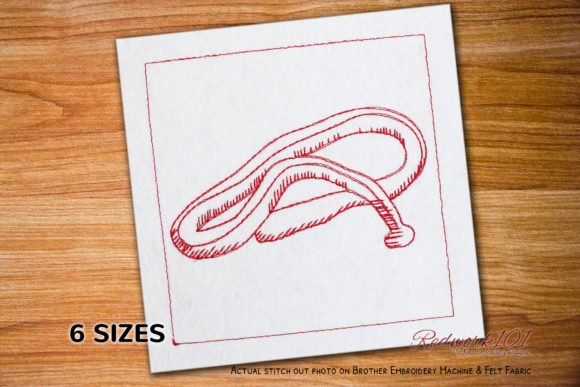
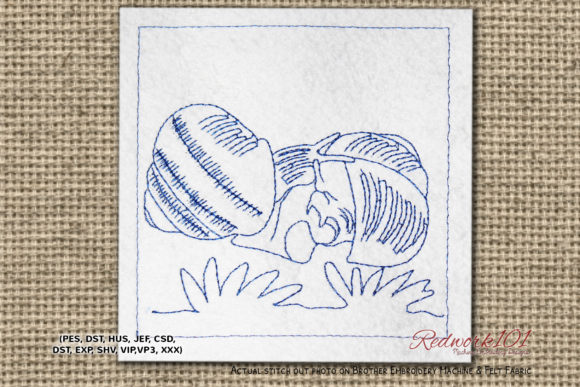
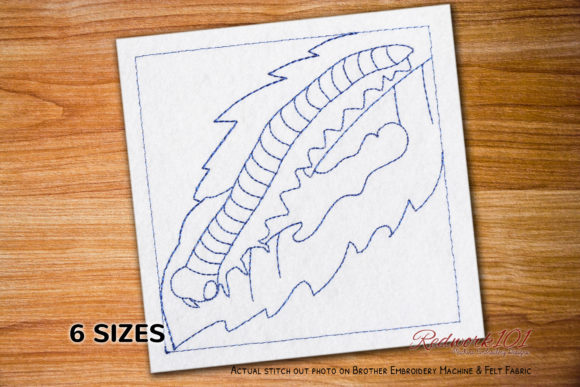
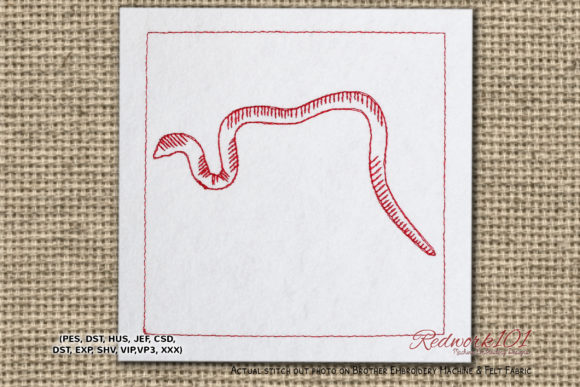
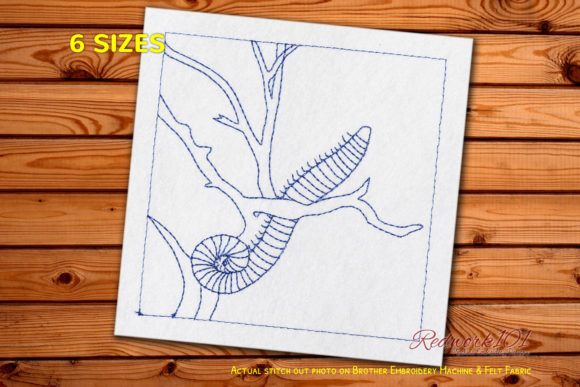
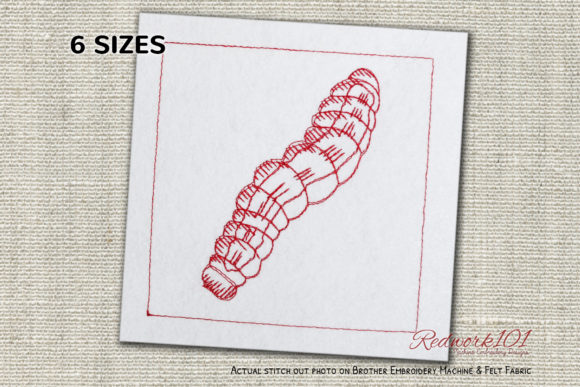
The emotional tone of Oak Worm Bluework is gentle and whimsical without being childish. The design features a charming worm motif that nods to the Bugs category, but the execution is refined enough to appeal to adults. The bluework style evokes a calm, earthy mood—perfect for holiday seasons that lean toward rustic decor, farmhouse aesthetics, or woodland themes. I can see this design working wonderfully on pillow covers, embroidered patches, and table linens for Thanksgiving, harvest gatherings, or even a cozy winter solstice celebration. The single-color stitching keeps the visual weight light, so it doesn't overwhelm smaller items like ornaments or baby gifts. For sellers, this means Oak Worm Bluework can be positioned as a versatile, seasonally appropriate design that feels handcrafted and premium.
How Oak Worm Bluework Performs in Holiday Selling Situations
In real selling scenarios, Oak Worm Bluework holds up well across multiple product types. I tested it mentally against the most common holiday use cases:
- Etsy listings and gift bundles – The design photographs beautifully. The single blue thread color creates strong contrast on light fabric, making mockups pop. For gift bundles, pair a kitchen towel, a tote bag, and a small hoop art piece featuring Oak Worm Bluework for a cohesive holiday set.
- Craft fair displays – The rustic, nostalgic style draws customers who are looking for handmade gifts that feel personal. I would display Oak Worm Bluework on a linen apron or a cotton sweatshirt to let the stitch detail speak for itself.
- Limited edition apparel – This design is an excellent candidate for small batch holiday apparel. The bluework style works well on cream, oatmeal, or soft gray fabrics. I recommend testing it on a dark navy base as well—the subtle contrast can be stunning for evening holiday events.
- Family matching items – Because the design is not overly gendered or overtly holiday-specific, it works for matching family sets. Adult sweatshirts, children’s t-shirts, and even a baby onesie can all feature Oak Worm Bluework without feeling repetitive.
- Social media previews and printable mockups – The clean lines and single-color palette make it easy to create attractive social media graphics. I advise sellers to use a printable mockup of Oak Worm Bluework on a tote bag or pillow cover to show scale and placement before stitching.
Where to Use Oak Worm Bluework Carefully
No design is perfect for every surface, and Oak Worm Bluework requires some thoughtful placement. Here are the areas where I recommend caution:
- Small hoop sizes – If you plan to stitch this design in a 3-inch or 4-inch hoop, check the detail level carefully. The worm motif may lose clarity if reduced too much. I recommend testing at your intended size before committing to a production run.
- Tiny lettering or fine details – The description mentions that the Box Stitch is optional and that the outer box color may differ. If your version includes any fine lettering or intricate outlines, verify that the stitch density is appropriate for your fabric. Dense designs can cause puckering on lightweight materials.
- Thick towels and high-pile fabrics – Kitchen towels with a thick terry weave can swallow fine details. Use a cutaway stabilizer and a sharp needle to keep the embroidery file crisp. I would test Oak Worm Bluework on a sample towel before selling finished products.
- Dark fabric – The bluework style uses a single blue thread. On dark fabric, the contrast may be subtle. Consider using a lighter blue or a metallic thread for visibility. Always test thread colors on both light and dark fabric before finalizing your product line.
- Stretchy garments – Sweatshirts and knit tees require good stabilization. Use a tear-away or wash-away stabilizer and avoid excessive pull. The design’s moderate density should work well, but always test on a scrap garment first.
- Curved caps and items that need repeated washing – For caps, keep the design away from the center seam. For items that will be washed frequently—like kitchen towels or baby onesies—use a high-quality thread and a stable fabric to prevent distortion.
Seasonal Appeal, Buyer Emotion, and Product Value
Oak Worm Bluework taps into several emotional drivers that are especially powerful during holiday shopping periods. The bluework style evokes a sense of calm and nostalgia. Buyers looking for a handmade gift or a personalized gift often gravitate toward designs that feel intentional and artisanal. This design delivers that perception without being overly complicated. The worm motif adds a touch of whimsy that appeals to children and adults alike, making it a strong candidate for family-oriented holiday products.
From a product value standpoint, Oak Worm Bluework allows sellers to position their finished items in the mid-to-premium price range. The single-color stitching keeps production costs manageable while still delivering a high-end look. I have found that customers are willing to pay more for embroidered items that feel unique and well-crafted. By using this design on sweatshirt embroidery, tote bag design, or kitchen towel embroidery, sellers can create products that feel gift-ready from the moment they are finished.
Visual recognition is another factor. During the holiday season, shoppers scroll quickly through Etsy and social media. A design like Oak Worm Bluework stands out because of its clean, uncluttered appearance. The bluework style is distinctive enough to be memorable, but simple enough to work across multiple product categories. This consistency helps build brand identity for small shop owners who want to create a recognizable seasonal collection year after year.
Practical Embroidery Designer Notes for Seasonal Production
Before you add Oak Worm Bluework to your holiday lineup, here are the practical steps I recommend every Etsy seller and small shop product creator take:
- Test thread colors on both light and dark fabric. The bluework design relies on a single color, so the thread choice is critical. I suggest stitching a sample on white, cream, light gray, and dark navy to see how the contrast shifts. A medium blue works well for most applications, but a dusty blue or teal could add a vintage feel.
- Check stitch density and hoop size. Review the digital embroidery file carefully. If the design includes the optional Box Stitch, confirm that the density is appropriate for your fabric. Adjust hoop size as needed to avoid crowding. I recommend a minimum hoop size that allows at least half an inch of clearance around the design.
- Use proper stabilizer. For most applications, a medium-weight cutaway stabilizer provides a clean finish. For towels or stretchy garments, use a stabilizer that matches the fabric’s weight and stretch. This prevents distortion and keeps the design looking professional after repeated washing.
- Create realistic mockups. Before listing your finished products, use a printable mockup to show Oak Worm Bluework on a pillow cover, apron, or tote bag. Accurate mockups help customers visualize the design in their own homes and increase conversion rates during the holiday season.
- Review small details after stitching. Once you stitch a sample, examine the worm motif for any skipped stitches or uneven density. The bluework style looks best when the stitching is smooth and consistent. If you see any issues, adjust your thread tension or needle type before producing multiple items.
- Plan matching color palettes. Because Oak Worm Bluework uses a single thread color, the fabric choice becomes the main design element. I recommend offering products in two or three fabric colors that complement the blue thread. Cream, soft gray, and warm oatmeal are safe bets. For a bolder look, try a mustard or rust fabric.
- Confirm commercial licensing. Before selling finished products featuring Oak Worm Bluework, verify the commercial use terms for the embroidery file. Many machine embroidery design files include a license that allows you to sell finished goods, but the terms vary. Always check so you can sell with confidence during the holiday rush.
Final Thoughts on Oak Worm Bluework for Seasonal Collections
As a designer who reviews hundreds of embroidery files each year, I can say that Oak Worm Bluework is a solid addition to any seasonal product lineup. It balances charm and sophistication in a way that appeals to a wide range of holiday shoppers. Whether you are creating embroidery for gift bundles, limited edition apparel, or home decor, this design offers the flexibility and emotional resonance that small shop owners need during the busiest selling season. The Bugs category may seem niche, but the execution here is broad enough to attract customers who simply love nature-inspired, handcrafted goods. I recommend testing it on a few key products now, so you can confidently offer Oak Worm Bluework as a standout piece in your holiday collection.