Earthworm Redwork: A Playful Design for Seasonal Embroidery
When I first opened the Earthworm Redwork machine embroidery design on Creative Fabrica, I smiled. It is not every day that an earthworm takes center stage in a redwork file, and that is exactly what makes this design so intriguing for seasonal product planning. As an embroidery designer who has built multiple holiday collections for Etsy and craft fairs, I have learned that shoppers love unexpected charm. An earthworm rendered in classic redwork stitch style brings a nostalgic, playful, and slightly whimsical mood that works beautifully for spring, garden-themed holidays, and even quirky gift bundles.
The Earthworm Redwork design feels like a nod to old-fashioned embroidery, where red thread on natural fabric told simple stories. The emotional tone is lighthearted, cozy, and rustic. It is not overly cute, nor is it too serious. It sits in that sweet spot of handmade charm that appeals to buyers looking for something different. The detail level is clean and open, which means the design stitches out without excessive density. This makes it a strong candidate for a variety of finished products, from kitchen towels to tote bags, pillow covers, and even lightweight apparel.
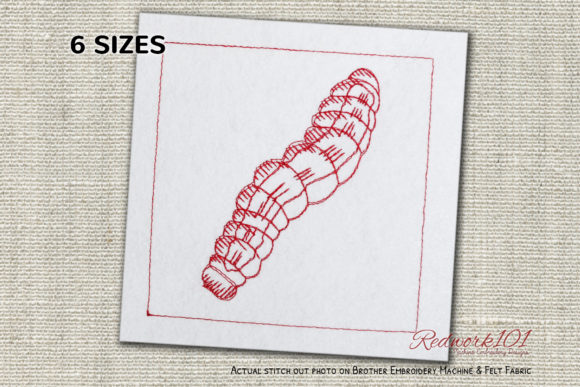
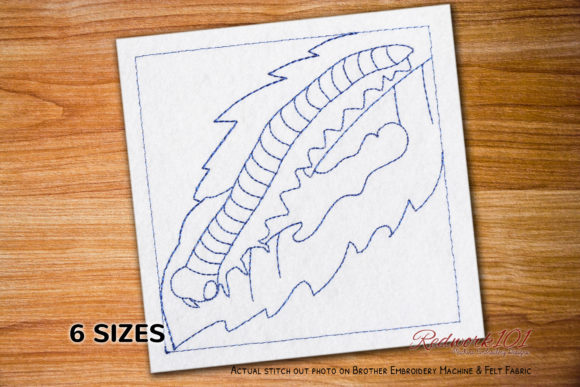
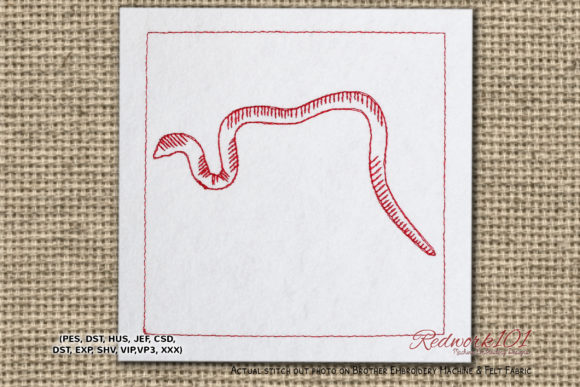
One important detail from the product description is that the box stitch shown in the picture is optional. The color of the outer box is different in most of the designs unless it is part of the design itself, and you can skip that color directly in your embroidery software. This gives you flexibility as a seller. If you want a clean, frameless earthworm, you can remove the box. If you prefer a structured look, keep it. That level of control is valuable when you are designing for different product types and seasonal themes.
First Impressions: Seasonal Mood and Decorative Style
The Earthworm Redwork design immediately made me think of spring markets, Easter baskets, and garden-themed home decor. Redwork embroidery has a timeless quality that feels both vintage and fresh. The earthworm, with its subtle curves and simple form, pairs well with other nature-inspired motifs. I could see this design stitched on a set of kitchen towels as a gift for a gardening enthusiast, or on a child's apron for a spring baking project. The red thread on cream or natural linen creates a soft, inviting look that customers often associate with handmade quality.
From a decorative standpoint, the design is not overly detailed. It relies on clean outlines and the charm of the redwork technique. This makes it suitable for both standalone pieces and as part of a larger collection. If you are building a seasonal product line, Earthworm Redwork can serve as a playful accent design. It does not scream "holiday" in the traditional sense, but it fits perfectly into spring, Earth Day, and garden-themed releases. For sellers who offer limited-edition seasonal items, this design adds variety without feeling forced.
Real Selling Situations: Gift Bundles, Etsy Listings, and Craft Fair Displays
When I plan a seasonal collection, I always consider how each design will perform across multiple sales channels. Earthworm Redwork has strong potential for several real selling situations.
- Gift bundles: Pair a kitchen towel with an earthworm redwork design alongside a gardening tool set or a bag of soil. The embroidery becomes the focal point of a thoughtful, themed gift.
- Etsy listings: The simple, clean look of redwork photographs well. You can create mockups that show the design on a towel, a tote, or a pillow. The red thread pops against light backgrounds, making your product images stand out in search results.
- Craft fair displays: Stitch the design on a few different products and group them together. A table with redwork earthworm towels, aprons, and small hoop art pieces creates a cohesive, eye-catching display.
- Limited edition apparel: A lightweight sweatshirt or a linen top with Earthworm Redwork on the chest or sleeve feels fresh and artistic. It appeals to customers who want something unique but not overly trendy.
- Family matching items: Offer the design on adult aprons, kid-sized aprons, and even a matching tote bag. Families love coordinated sets for holiday gatherings or spring outings.
- Home decor: Pillow covers, tea towels, and small wall hangings with redwork embroidery add a cozy, handmade touch to any kitchen or garden room.
- Personalized gifts: Add a monogram or a name alongside the earthworm design. This increases the perceived value and makes the item feel custom-made.
- Social media previews and printable mockups: Because the design is simple and recognizable, it works well in product photography. You can create lifestyle images that show the embroidery in use, which drives engagement during holiday shopping periods.
Where to Use Earthworm Redwork Carefully
No design is perfect for every product, and Earthworm Redwork has a few considerations that every embroidery seller should keep in mind.
- Small hoop sizes: If you plan to stitch this design in a very small hoop, check the details. The earthworm form relies on clear lines, and shrinking it too much may cause the redwork to lose its charm. Test a sample before committing to tiny products like ornaments or keychains.
- Tiny lettering: The design does not include heavy lettering, but if you add your own text, keep it proportional. Redwork is best when the stitches are clean and readable.
- Layered details: The optional box stitch adds a frame, but if you keep it, make sure the outer box color does not distract from the earthworm. Skipping the box color is a simple way to avoid visual clutter.
- Thick towels: Terry cloth and thick kitchen towels can be tricky for any embroidery design. Use a cutaway stabilizer and a sharp needle. The redwork lines are not dense, so the design should stitch well, but always test on a sample towel first.
- Dark fabric: Redwork traditionally uses red thread on light fabric. If you want to stitch on dark fabric, consider using a bright red or even a variegated thread that stands out. Test your thread colors on the actual fabric to ensure visibility.
- Metallic thread: Redwork is typically done with standard red thread. Metallic thread can be tempting for holiday products, but it behaves differently. If you try metallic, use a stabilizer designed for metallic embroidery and reduce your stitch speed.
- Stretchy garments: Sweatshirts and knit fabrics require proper stabilization. Use a tear-away or cutaway stabilizer depending on the fabric stretch. The design itself is not dense, so it should work well if you hoop carefully.
- Curved caps: This design is not specifically made for caps, but if you want to try it on a curved surface, use a cap frame and test the placement. The redwork lines may need slight adjustment on a curved area.
- Items that need repeated washing: Redwork is durable, but the thread color should be colorfast. Test your red thread on a sample that you wash a few times. This is especially important for kitchen towels and baby items that see frequent laundering.
Seasonal Appeal, Buyer Emotion, and Product Value
The Earthworm Redwork design taps into a specific seasonal emotion. It is not about grand holiday decorations or elaborate festive scenes. Instead, it evokes the simple joy of gardening, spring mornings, and the quiet satisfaction of handmade gifts. Buyers who gravitate toward this design are likely looking for something that feels personal, thoughtful, and a little bit unexpected.
In terms of product value, the redwork style adds a premium feel without requiring dense stitching or complex thread changes. The design is efficient to stitch, which means you can produce finished products at a reasonable cost. For Etsy sellers and small shop owners, this translates to better margins. You can price your items competitively while still offering a design that feels special.
Giftability is another strong point. A kitchen towel or tote bag with Earthworm Redwork feels like a gift from the heart. It is not mass-produced, and the redwork embroidery gives it a handmade authenticity that many shoppers seek during the holiday season. Customer trust increases when your products show consistent quality and thoughtful design. If you include a small tag or card that explains the redwork tradition, you add even more value to the purchase.
Visual recognition is also important. When customers see a redwork design on your product, they immediately associate it with quality stitching and classic style. The Earthworm Redwork design is distinctive enough to be memorable, but simple enough to fit into a wide range of product categories. This helps with brand consistency, especially if you offer multiple items in a seasonal collection.
During holiday shopping periods, engagement on social media and in your shop depends on how well your products tell a story. Earthworm Redwork tells a story of spring, renewal, and the beauty of small creatures. It is a conversation starter, and that is exactly what you want when you are trying to stand out in a crowded marketplace.
Practical Embroidery Designer Notes
Before you add Earthworm Redwork to your seasonal product lineup, there are a few practical steps I recommend every embroidery seller take.
- Test thread colors on light and dark fabric: Redwork traditionally uses a bright red, but you can experiment with shades like cherry, brick, or even a deep crimson. Stitch samples on white, cream, and light gray fabric. Also test on a dark fabric if you plan to offer that option. The same thread can look very different on different backgrounds.
- Check stitch density: The design should not be overly dense, but always review the stitch count and density in your embroidery software. If the density feels too light or too tight for your fabric, adjust accordingly. Redwork works best when the stitches are clean and evenly spaced.
- Confirm hoop size: Make sure the design fits within your available hoop sizes. If you plan to stitch on small items like ornaments or baby bibs, check that the design does not exceed the hoop area. You may need to resize, but keep the proportions balanced.
- Use proper stabilizer: For most applications, a medium-weight tear-away stabilizer will work well. For stretchy fabrics or thick towels, use a cutaway stabilizer. Always test the stabilizer with your fabric and thread combination.
- Create realistic mockups: Before listing your finished products, create mockups that show the design on actual items. This helps customers visualize the embroidery on a towel, bag, or apparel piece. Mockups also improve your Etsy listings and social media posts.
- Review small details after stitching: Once you stitch a sample, examine the earthworm outline closely. Look for any skipped stitches, uneven tension, or thread breaks. The simple design should stitch cleanly, but it is always better to catch issues early.
- Plan matching color palettes: Since the design is redwork, your color palette is naturally centered on red. But you can create complementary products using fabrics in natural tones, greens, or soft whites. A cohesive color story makes your seasonal collection look intentional and professional.
- Check Creative Fabrica product details and licensing: Before you sell any finished products made from Earthworm Redwork, review the licensing terms on Creative Fabrica. Confirm that commercial use is allowed, and note any restrictions. This step protects your business and ensures you are using the design properly.
Building a Seasonal Collection Around Earthworm Redwork
If you are planning a spring or garden-themed collection, Earthworm Redwork can be a anchor design. Pair it with other nature-inspired motifs like leaves, flowers, or simple insects. The redwork style ties everything together, giving your collection a cohesive look. Offer the design on multiple product types: a kitchen towel, a tote bag, a pillow cover, and a lightweight apron. Customers who love the design will appreciate having options.
For holiday-specific products, consider using Earthworm Redwork in Easter baskets, spring celebration gifts, or Earth Day promotions. The design also works for "just because" gifts that focus on gardening and outdoor hobbies. If you create limited-edition products, this design fits well into a seasonal rotation that changes with the calendar.
As an embroidery designer, I always look for designs that are versatile, easy to stitch, and emotionally appealing. Earthworm Redwork checks all those boxes. It is a simple design with a lot of heart, and that is exactly what handmade shoppers are looking for. Whether you are a seasoned Etsy seller or just starting your small shop, this Creative Fabrica embroidery file is worth adding to your seasonal toolkit.
Take the time to test it, plan your products, and create mockups that show the design in real use. Your customers will respond to the charm and quality of redwork embroidery, and Earthworm Redwork gives you a playful, memorable way to connect with them during the most important shopping seasons of the year.