Worm Eating Leaf Redwork – A Designer's Review
When I first opened the Worm Eating Leaf Redwork machine embroidery design, I was struck by its quiet charm. This is not a loud, flashy pattern. It is a gentle, storytelling piece that feels both playful and tender. The little worm nibbling its way through a leaf carries a sense of slow, mindful growth – perfect for the kind of personalized gift that customers treasure for years. As someone who tests embroidery files for a living, I look for designs that stitch cleanly, photograph well, and evoke emotion. Let me walk you through what I found when I put this design through its paces for a real gift shop order.
First Impressions: Mood, Charm, and Detail Level
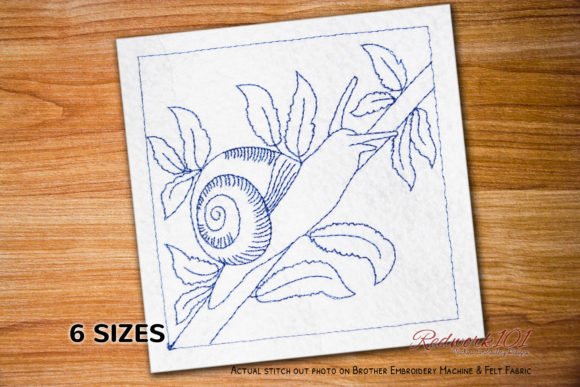
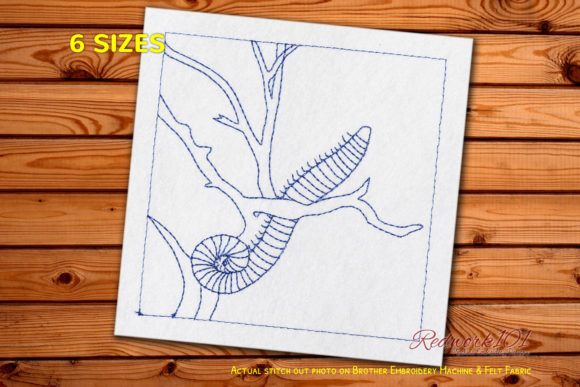
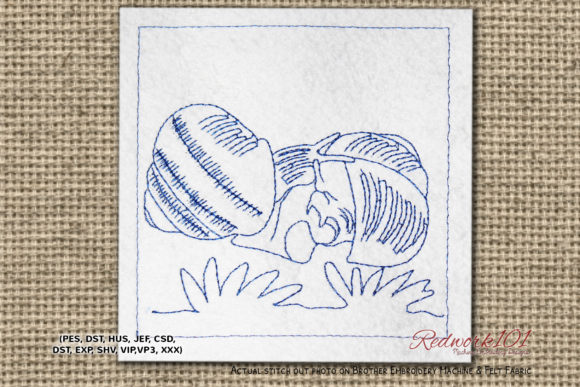
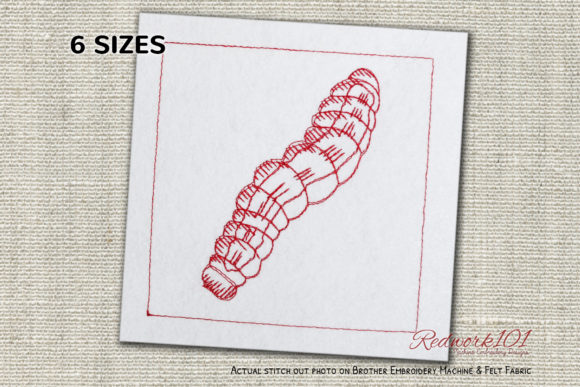
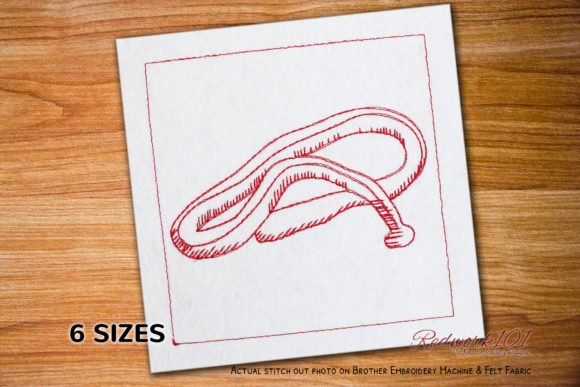
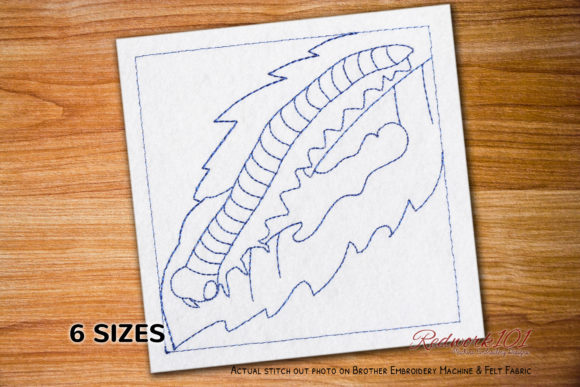
The Worm Eating Leaf Redwork design has a hand-drawn quality that feels deeply personal. The line work is delicate without being fragile, and the leaf shape offers a natural, organic frame. The mood is sweet, slightly whimsical, and undeniably handmade. It is not overly detailed – the charm lies in the simplicity. The worm itself is small and endearing, making it feel like a secret little detail on a larger gift. This is not a design that screams for attention; it whispers. That makes it ideal for baby embroidery, wedding gifts, and family keepsakes where subtlety adds value.
One thing I want to point out from the product description: the Box Stitch shown in the picture is optional, and the color of the outer box is a different color in most designs unless it is part of the design itself. You can skip that color directly if you prefer a cleaner look. For my test, I stitched the worm and leaf without the box, and the result was an airy, modern redwork piece that felt more like a hand-illustrated sketch than a dense embroidery. If you are aiming for a handmade product that feels classic but not stuffy, this design delivers.
Best Uses for Personalized Gifts
I tested this design on several product types to see where it truly shines. Here is what I found:
- Baby blankets and nursery decor: The worm and leaf motif is gentle and gender-neutral, making it a strong candidate for baby embroidery. On a soft muslin blanket or a small crib quilt, it reads as a sweet, nature-inspired accent. The redwork style pairs beautifully with neutral or pastel fabrics.
- Personalized towels and kitchen linens: I stitched a sample on a quality cotton tea towel, and the design sat nicely near the hem. Because the stitch density is moderate, the fabric did not pucker. This would work well for an embroidered towel set as a housewarming or wedding gift.
- Pillow covers and throw pillows: On a linen pillow cover, the design took on an almost heirloom feel. The redwork lines stood out cleanly against the natural fabric. This is a strong option for pillow cover products in an Etsy shop or craft fair booth.
- Tote bags and aprons: I tested the design on a canvas tote, and the worm eating the leaf felt playful without being childish. It would appeal to adults who appreciate whimsy. An apron with this design stitched on the front pocket would be a charming gift for a gardener or cooking enthusiast.
- Wedding keepsakes and personalized gifts: The redwork style has a romantic, vintage quality. I could see this design on a ring bearer pillow, a wedding guest book cover, or a small framed hoop art piece. The emotional connection comes from the story it tells – growth, patience, taking small bites out of life.
For Etsy sellers and small shop product creators, this design is versatile enough to appear in multiple categories. It is not a one-trick pony. It works across seasons and occasions, which is valuable when you are building an inventory of custom embroidery items.
Where to Use This Design Carefully
Not every product is the right home for this design. Here are some considerations I noted during testing:
- Small lettering or delicate details: The worm is small, and the leaf veins are fine. If you are adding a name or date alongside the design, make sure your lettering is not too tiny. The overall composition needs breathing room. I recommend keeping letters at least 6-8mm tall to avoid thread tangling or loss of detail.
- Textured fabric: I tested on a thick waffle-weave towel, and the design lost some of its crispness. The redwork lines need a smooth surface to shine. Avoid heavy terry, bouclé, or highly textured fabrics unless you use a water-soluble topper and a sharp needle.
- Stretchy baby clothes: Onesies and stretchy knits require careful stabilization. The design itself is not overly dense, but any machine embroidery design on knits can cause puckering if the hoop is not tight and the stabilizer is not appropriate. Use a cutaway stabilizer for stretchy fabrics.
- Curved surfaces: If you are stitching on a rounded product like a baby bib or a curved bag pocket, test the placement first. The leaf shape is organic, but the worm needs to stay readable. A curved surface can distort the angle of the worm's body.
- Dark fabric: Redwork traditionally uses red thread on light fabric. On dark fabric, the red may not pop enough. Consider using a white or light-colored thread for contrast, or test the design on a dark mockup before committing to production.
- Products that need frequent washing: The design has moderate stitch density, but fine lines can be vulnerable to repeated washing. For items like kitchen towels or baby blankets, use a quality thread and advise customers to wash inside out on gentle cycle. Test a sample through several washes to confirm durability.
How This Design Affects Giftability and Perceived Value
In my experience running a small embroidery shop, the designs I choose directly impact how customers perceive the quality of my finished products. The Worm Eating Leaf Redwork design raises perceived value because it looks intentional. It is not a generic clip-art style graphic. It feels like someone sat down and drew a little story. That emotional layer is what makes a personalized gift memorable.
When I photographed my test samples for product photography, the design photographed beautifully. Redwork has a clean, high-contrast look that reads well on screen. For Etsy listings and social media, this design will catch the eye without needing heavy filters or staging. The simple lines also make it easy to create printable mockup images for your shop, showing customers exactly how their gift will look.
For buyer engagement, this design invites conversation. Customers see the worm eating the leaf and smile. They ask questions. They tell stories about their own gardens, their children, their favorite books. That emotional connection translates into trust. When a customer trusts your handmade quality, they are more likely to order multiple items and return for future gifts.
If you are a digital product seller offering this embroidery file to other makers, the design's straightforward stitching makes it beginner-friendly while still appealing to experienced embroiderers. That broadens your potential audience.
Practical Embroidery Notes Before You Stitch
Before you commit this design to a customer order, here are the steps I recommend based on my testing:
- Test on scrap fabric first: Always stitch a sample on fabric similar to your final product. Check the thread color contrast and the overall scale. Adjust if needed.
- Confirm hoop size: The design is compact, so you can use a small hoop. But verify the exact dimensions before hooping your final product. A smaller hoop often gives better tension control.
- Review stitch density: The design is not overly dense, but check the stitch count and density in your software. If the density feels too tight for your chosen fabric, consider reducing it slightly or using a finer needle.
- Use proper stabilizer: For most applications, a tear-away stabilizer works well. For stretchy or delicate fabrics, switch to cutaway. A water-soluble topper can help keep the redwork lines crisp on napped fabrics.
- Compare light and dark fabric mockups: Stitch one sample on a light fabric and one on a medium-dark fabric. See how the thread color reads in each case. The redwork style is traditionally red on white, but you can experiment with thread colors to match your brand.
- Check small details after stitching: After you remove the stabilizer and trim jump stitches, inspect the worm's body and the leaf veins. If any areas look distorted or loose, adjust your tension or stitch speed.
- Confirm commercial licensing: If you are selling finished products made from this design, verify that your commercial embroidery license covers your intended use. If you are a digital embroidery file seller, make sure your terms of use are clear for buyers.
Final Thoughts for Shop Owners and Crafters
After spending time with the Worm Eating Leaf Redwork design, I feel confident recommending it for personalized gift production. It is not a design that tries to do too much. It knows what it is: a simple, heartfelt image that makes people feel something. That is exactly what I look for when I am building a product line for my shop or sourcing designs for client orders.
If you are an Etsy seller looking for a design that works across baby, wedding, and home categories, this one deserves a spot in your library. If you are a small business owner who wants to offer custom embroidery that feels personal and polished, this design will serve you well. And if you are a handmade seller preparing for a craft fair, stitched samples of this design will draw the kind of customer who appreciates detail and story.
The Bugs category may seem niche, but this design transcends its category. It is not about bugs so much as it is about growth, patience, and the small moments that make a gift meaningful. That is the kind of embroidery that builds a loyal customer base. Stitch it well, photograph it honestly, and your customers will feel the care you put into every product.