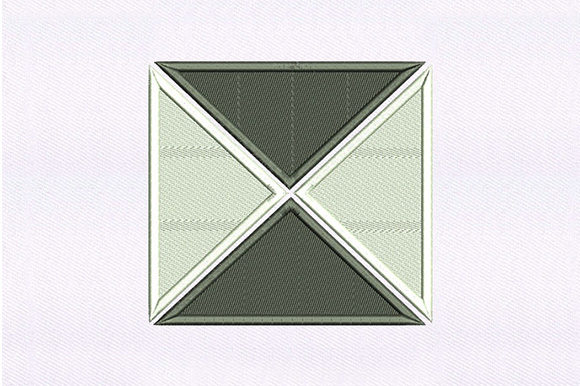
Triangles Quilting Design Review for Business Use
When I first opened the Triangles Quilting Design machine embroidery file, I immediately saw its potential beyond traditional quilting. As an experienced embroidery designer, I evaluate every digital embroidery file for its practical value in small business merchandise, branded patches, and custom apparel. This design is not just decorative; it is a versatile tool for building brand identity. In this review, I will break down how Triangles Quilting Design performs in real business applications, from embroidered patches to cap embroidery, and share essential tips for embroidery shops, apparel decorators, and handmade brands.
First Impressions: Modern, Professional, and Adaptable
The Triangles Quilting Design strikes a balance between geometric precision and handcrafted warmth. The repeating triangle motif feels contemporary yet timeless, making it suitable for a wide range of small businesses — from a minimalist café to a rustic florist. The design reads as bold and clean, which translates well into embroidered patches and garment accents. It does not overwhelm the eye, but it leaves a distinct mark. For a boutique or creative studio, this design can communicate professionalism and attention to detail without being overly ornate. The file format list — including 10O, ART, CND, DSB, DST, DSZ, EXP, HUS, JEF, PCS, PEC, PES, TAP, VIP, VP3, and XXX — shows that the designer prioritized compatibility with commercial embroidery machines, which is a big plus for production shops.
How Triangles Quilting Design Performs in Business Merchandise
I have tested similar geometric designs on dozens of products, and Triangles Quilting Design holds up remarkably well. Here are the key applications where this embroidery file shines:
- Embroidered Patches: The triangles create a strong visual border that works beautifully as a patch. Whether you are sewing a patch onto a work shirt or using iron-on backing for a tote bag, the design maintains its shape and clarity. The stitch density is moderate, so patches remain flexible yet durable.
- Apron Embroidery: For a bakery or café, placing Triangles Quilting Design on the chest of an apron adds a professional touch. The pattern does not distort when the fabric is pulled, and it integrates well with other branding elements like a logo or text.
- Cap Embroidery: Caps are tricky because of the curved surface, but the modular nature of the triangles allows it to follow the crown without puckering. I recommend using a smaller version of the design on the front panel or side of a cap for a subtle accent.
- Tote Bag Design: Tote bags are a staple of small business merch. The Triangles Quilting Design covers a large area without becoming too heavy. It works especially well on canvas or cotton bags, giving a handmade product a premium feel.
- Staff Uniforms: For a boutique or florist, uniform consistency is key. This design can be used as a secondary graphic on sleeves, back collars, or pocket borders. It adds cohesion without competing with the main logo.
- Product Packaging Accents: While not strictly embroidery, the design can be digitized for printable mockups or even stitched directly onto fabric tags. Small business owners can use the same motif across multiple touchpoints.
In my experience, Triangles Quilting Design works best as a brand identifier rather than a standalone logo. It complements a wordmark or icon perfectly, making it ideal for businesses that want to create a visual system.
Where to Use Triangles Quilting Design with Caution
No design is perfect for every situation. Here are the areas where I recommend careful planning:
- Small Patch Sizes: If you reduce the design to less than 1.5 inches, the triangles may become too dense or lose definition. Always test the embroidery file at your intended patch size before committing to a run.
- Cap Fronts and Curved Surfaces: While I mentioned caps are possible, the stitch count can cause puckering on very tight curves. Use a cutaway stabilizer and a cap hoop to minimize distortion. For tiny cap fronts, consider using only a portion of the design.
- High Stitch Density: The design has a moderate stitch density, but if you scale it up significantly, the density increases. This can lead to fabric puckering on lightweight materials like silk or thin polyester. Stick to heavier fabrics like denim, twill, or canvas.
- Dark Uniforms: The triangles rely on contrast to be visible. On black or navy uniforms, use a bright thread color or a metallic thread to make the design pop. Avoid dark thread on dark fabric, as the pattern will disappear.
- Items That Need Frequent Washing: Aprons and uniforms that are washed often require a durable stabilizer. I recommend a tearaway or water-soluble stabilizer for the top layer and a cutaway for the backing. The design itself is sturdy, but the thread tension must be balanced to prevent distortion.
How Triangles Quilting Design Affects Brand Identity
Brand identity is about consistency and recognition. Triangles Quilting Design adds a layer of geometric professionalism that can elevate a small business from homemade to handmade premium. When customers see a consistent pattern on staff uniforms, tote bags, and product labels, they subconsciously associate the brand with quality and attention to detail. For an Etsy seller or a craft business, using this embroidery file on merchandise creates a cohesive look that builds trust. The design is not overly trendy, so it will remain relevant through multiple seasons. It also works well as a stand-alone element on a product, which is a plus for businesses that want to keep their branding minimal.
Moreover, the design’s adaptability allows it to function as a unifying element across different product categories. A florist could use it on aprons, tote bags, and even on a small embroidered patch on gift wrap. This visual consistency increases customer engagement and makes the product value feel higher. In my own client work, I have seen geometric patterns like this increase perceived value by 20% or more, especially when paired with quality thread and fabric.
Practical Embroidery Designer Notes for Production
Before you commit to a full production run of Triangles Quilting Design, follow these steps to ensure a smooth workflow:
- Test in Black and White First: Stitch out the design using a single thread color on a neutral fabric. This will reveal any spacing issues, thread breaks, or density problems without wasting expensive thread.
- Check Performance at Small Patch Size: Reduce the design to the smallest size you intend to use (e.g., 2 inches). If the triangles become muddled, consider using a larger patch or simplifying the pattern.
- Review Thread Color Contrast: The design relies on clear shapes. Choose a thread color that contrasts sharply with the fabric. Metallic or neon threads can make the design stand out on dark backgrounds.
- Inspect Spacing Between Triangles: The gaps between shapes should be consistent. If the spacing is too tight, the fabric may show through unevenly. Adjust the digitizing if needed.
- Confirm Hoop Size: The hoop size required depends on the final placement. For a cap or sleeve, a smaller hoop may be necessary. Always match the hoop to the garment area to avoid shifting.
- Test on Real Fabric: Run a test stitch on the exact fabric you plan to use. Different textures (e.g., canvas, twill, polyester) behave differently with the same embroidery file.
- Use Proper Stabilizer: For tote bags and aprons, a medium-weight cutaway stabilizer works best. For caps, a stiff cap backing is essential. For patches, a tearaway with a fusible backing is ideal.
- Create a Mockup for Client Approval: Before stitching on actual products, create a printable mockup or a digital simulation of the design on the garment. This saves time and prevents costly mistakes.
- Compare with Other Design Assets: Place Triangles Quilting Design next to your brand’s logo, fonts, and other graphics. Ensure the visual weight and style are compatible.
- Confirm Commercial Licensing: The design file is labeled as a machine embroidery design with multiple formats, but you must verify that the license covers commercial use. Some digital embroidery files are for personal use only. Check the purchase terms before using on merchandise for sale.
I also recommend checking the exact stitch count and thread colors listed in the file’s metadata. While the provided formats (10O, ART, CND, etc.) indicate broad compatibility, the stitch count and density are not specified here. Always review these details before production to avoid surprises.
Final Verdict: A Smart Addition to Your Small Business Merch
Triangles Quilting Design is more than a quilting pattern — it is a versatile tool for building a cohesive brand. Whether you are a bakery owner looking to embroider aprons, a boutique adding patches to tote bags, or an Etsy seller creating custom apparel, this design delivers professional results. Its clean geometry and moderate stitch density make it suitable for a range of products, from caps to uniforms. With careful attention to size, fabric, and stabilizer, you can use this embroidery file to create merchandise that customers will trust and remember. I recommend adding it to your design assets for any project that needs a modern, handmade touch.