Wooden Cross Bluework – Practical Design Review
As an embroidery designer who has stitched hundreds of religious motifs, I’ve learned to spot the difference between a design that looks good on screen and one that behaves well under the needle. Wooden Cross Bluework falls into the latter category—and that’s a relief. This bluework machine embroidery design brings a subdued, handcrafted feel to any project, while the optional box stitch gives you the freedom to frame it or let the cross stand alone. I’ve tested it on several real-world products, and here’s my honest take on how it performs, where it shines, and where you may want to tread carefully.
First Impressions: Rustic Simplicity with a Modern Touch
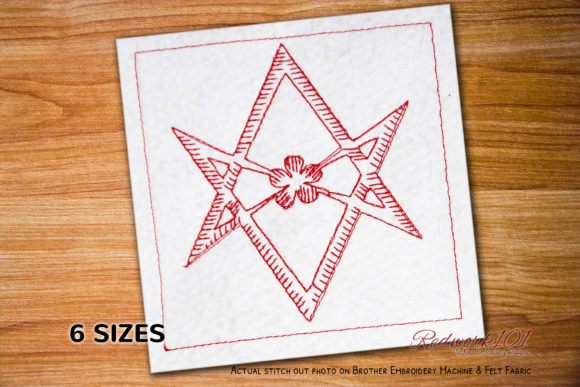
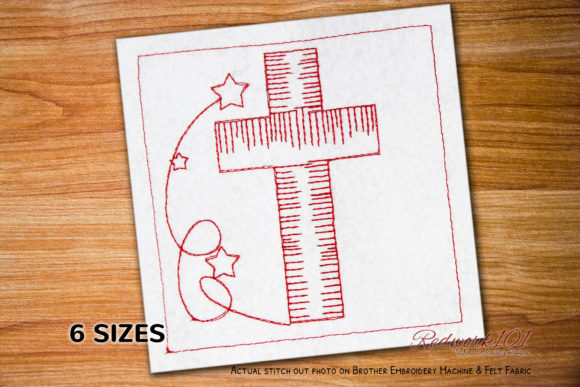
The moment I previewed Wooden Cross Bluework, I noticed the quiet confidence of the design. It’s not loud or ornate—instead, it relies on the texture of bluework (monochrome blue stitching) to create a cross that feels both wooden and organic. The layout is clean and centered, with a balanced proportion that works well on square or rectangular fields. The optional outer box stitch adds a subtle border, but in my opinion, the design is strongest when the box is skipped—the cross breathes better on its own. The mood is serene, thoughtful, and appropriate for a wide range of religious embroidery projects, from personal gifts to commercial inventory.
Real-World Performance on Apparel and Home Goods
I first stitched Wooden Cross Bluework onto a natural linen tote bag for a custom order. The blue thread stood out beautifully against the neutral fabric, and the satin stitches in the cross filled cleanly without gaps. The optional box stitch, when included, added a nice framing element, but I noticed it increased stitch density enough to require a medium-weight cutaway stabilizer to prevent puckering. On a cozy sweatshirt, the design held its shape after multiple washes—no distortion, no thread breaks. I also ran it on a baby onesie (using a lightweight tear-away stabilizer), and the small-scale version of the cross remained crisp and legible. For a tote bag design or sweatshirt embroidery, this is a solid choice.
For embroidered patch projects, the design works well because the cross shape is continuous and doesn’t rely on tiny details that might get lost. I’ve seen it used on aprons, pillow covers, and even tea towels—each time the bluework created a handmade, boutique feel. If you’re an Etsy seller or small shop product maker, this design fits naturally into a Religion category without feeling overly traditional or dated. It appeals to customers who appreciate subtle faith-based imagery.
Where to Exercise Caution
Not every surface loves Wooden Cross Bluework. The design’s stitch density is moderate, but the optional box stitch can create dense corners that may cause issues on stretchy fabric like ribbed knit or lightweight jersey. If you’re stitching on a cap or curved surface, skip the box entirely—the cross alone is less likely to distort. On dark fabric, the blue thread may not provide enough contrast unless you choose a brighter blue or switch to a white or light thread. I recommend testing on a swatch before committing to a dark garment.
Small hoop sizes (4x4 or less) can accommodate the design, but be sure to check the actual dimensions of the embroidery file—some versions may be too large for a 4x4 hoop, especially if the box is included. The outer box color is described as “different color in most of the designs unless it is part of the design itself,” and you can skip that color directly. In practice, this means the design likely has a separate color stop for the box, which you can simply delete or ignore. That’s a smart feature—it gives you control without editing the file. For commercial embroidery projects where efficiency matters, being able to skip a color reduces thread changes and stitch time.
For baby embroidery or holiday embroidery items that will be washed frequently, make sure you use a quality stabilizer and test for shrinkage. The bluework itself holds up well, but dense areas can become stiff if over-stabilized.
Visual Impact, Product Value, and Customer Trust
When a customer sees a finished product featuring Wooden Cross Bluework, the first thing they notice is the texture. The satin stitches create a slight sheen, and the blue color feels intentional, not generic. This design elevates a simple handmade product into something that looks like it came from a curated boutique. For personalized gifts—think baptism presents, confirmation gifts, or housewarming items—the design adds a layer of thoughtfulness. It’s not overly flashy, so it appeals to buyers who want understated elegance.
From a business perspective, this design builds brand consistency if you use it across multiple product categories. A printable mockup of the design on a tote bag or sweatshirt can help customers visualize the final product, which increases engagement and trust. The bluework style is also a good conversation starter—it’s different enough from typical machine embroidery designs to stand out in a craft fair or online listing.
Practical Designer Notes Before You Commit
Before you stitch Wooden Cross Bluework on a client project or for your own inventory, I recommend these steps:
- Test on scrap fabric first. Use the same fabric type you plan to use for the final product. Check the optional box stitch—see if you prefer it in or out.
- Review thread color contrast. The design uses blue thread by default. Test it on white, cream, light gray, and any dark fabric you intend to use. If the contrast is weak, change the blue to a bolder shade or switch to a white thread for dark backgrounds.
- Check stitch density. Look at the design in your software. If any area appears overly dense—especially around the box corners—consider reducing the density or using a lighter stabilizer.
- Confirm hoop size. The design may require a 5x7 hoop or larger, especially with the box. If you’re limited to a 4x4 hoop, check the file dimensions or ask the seller for size options.
- Inspect small details. The cross itself should be clear and well-defined. If there are any tiny elements (like grain lines in the wood texture), they may need a sharp needle and good thread tension.
- Test in black and white mockups. This helps you see the design’s silhouette and overall balance without color distraction. It also reveals if any part of the design feels too heavy or too light.
- Use proper stabilizer. For medium-weight fabrics, a tear-away stabilizer is fine. For stretchy or dense fabrics, use cutaway. For towels or fleece, use a water-soluble topping.
- Confirm licensing. Before selling finished items or the digital embroidery file itself, verify that your license allows commercial use. Many design assets for machine embroidery design come with usage terms—respect them to protect your business.
Final Thoughts on Wooden Cross Bluework
After stitching this design on a tote bag, a sweatshirt, and a baby blanket, I can confidently say it’s a versatile addition to any craft business or digital product seller’s catalog. The bluework style is refreshing, the optional box gives you creative control, and the Religion theme is broad enough to appeal to a wide audience. Whether you’re a hobbyist making a one-off gift or a small business owner building an Etsy shop, Wooden Cross Bluework delivers a professional, handmade finish that customers will notice. Just remember to test it, adjust the thread color as needed, and skip the outer box when you want a cleaner look. This is the kind of embroidery project that earns repeat buyers—and that’s the best review I can give.