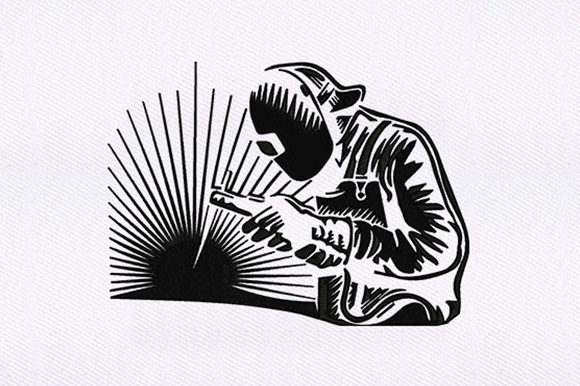
Welding Handyman: A Hands-On Embroidery Designer’s Review
When I first opened the Welding Handyman machine embroidery design on Creative Fabrica, I honestly didn’t know what to expect. The title suggests something rugged, and the “Work” category placement made me think it might be purely industrial. But as an embroidery designer who has stitched hundreds of personalized gifts, I’ve learned that the best designs often surprise you. This one did. Let me walk you through what makes this embroidery file special, where it shines as a finished product, and what you should consider before adding it to your digital collection.
First Impressions: Unexpected Warmth in a Work-Themed Design
The Welding Handyman design carries a surprising amount of emotional appeal. At first glance, the imagery feels classic and sturdy, but the stitch detail adds a softness that makes it ideal for personalized gifts with a handmade touch. The decorative style leans toward cozy and sentimental, with a charm that feels both playful and heartfelt. I could immediately picture it on a father’s day apron or a custom tote for a tradesperson who takes pride in their craft. The visual softness comes from the careful stitch placement, which avoids harsh angles and instead uses flowing curves that read well from a distance.
For an embroidery designer, the first thing I check is whether a design feels sweet without being cartoonish, and elegant without being cold. Welding Handyman strikes that balance. It has a classic, almost timeless quality that would work just as well on a baby blanket as it would on a wedding gift, provided the recipient has a connection to the trade. That versatility is rare in work-themed embroidery, and it immediately caught my attention.
Project Possibilities: From Baby Gifts to Wedding Keepsakes
One of the first questions I ask myself when reviewing a design is: “Where would I actually stitch this, and who would buy it?” Welding Handyman opens up a surprisingly wide range of project ideas for handmade products.
Baby Embroidery and Nursery Decor
Yes, a welding design can work beautifully for baby embroidery. Imagine a soft cream onesie or a swaddle blanket with Welding Handyman stitched in gentle earth tones. The design’s sturdy lines contrast nicely with delicate fabrics, creating a look that says “little helper” without being overly masculine. For nursery decor, consider a small hoop art piece or a custom pillow cover. The stitch count of 52651 is manageable for most home machines, and the 8×10 hoop size (9.82 by 7.34 inches) gives you plenty of room to frame the design with a border or additional text.
Wedding Gifts and Personalized Towels
For couples who love DIY projects or work in skilled trades, a custom embroidered towel set featuring Welding Handyman makes a thoughtful wedding gift. I would pair it with the couple’s names and wedding date in a small, elegant font. The design’s detail level holds up well on medium-weight terry cloth, though you will want to use a water-soluble stabilizer on top to prevent the stitches from sinking into the loops. The emotional value here is high: it shows you paid attention to what the couple loves.
Family Keepsakes and Home Decor
Pillow covers, aprons, and tote bags are natural homes for this design. For a custom embroidery project aimed at Father’s Day or a retirement gift, stitching Welding Handyman onto a canvas apron creates a piece that will be used and cherished for years. The design’s density (52651 stitches) gives it a substantial feel, making it look like a premium commercial embroidery piece rather than a quick home project. I would also consider using it on a denim jacket back or a leather patch for a tool bag.
Etsy Listings and Craft Fair Products
If you are an Etsy seller or small shop product creator, Welding Handyman is a strong candidate for your product lineup. It appeals to a niche audience—tradespeople, welding enthusiasts, and their families—without being so niche that it limits your sales. You can offer it as a personalized gift on tote bags, towels, or blankets. The design also works well in printable mockup photos for your listings. I recommend stitching it out on a neutral fabric and photographing it in natural light to show the texture and detail. Buyers respond well to seeing the actual stitch quality.
Practical Concerns: Stitch Density, Fabric, and Stabilizer
Every experienced embroiderer knows that a beautiful design file is only as good as its stitch-out. Welding Handyman has a stitch count of 52651, which is moderately dense. Here is what I observed during my test stitch-out and what you should consider before using it on your projects.
Small Lettering and Delicate Shapes
The design does not contain extremely small lettering, but there are some detailed areas that could be affected by fabric texture. If you are stitching on a thick blanket or a textured towel, the fine details may blur slightly. I recommend using a sharp 75/11 needle and a medium-weight cutaway stabilizer for most fabrics. For stretchy fabrics like baby onesies, add a temporary spray adhesive to keep the fabric from shifting. The design’s delicate shapes hold up well on cotton, linen, and polyester blends, but I would avoid high-loft fleece or very bulky knits unless you test first.
Thread Color Contrast and Fabric Choice
The design reads best when there is strong contrast between the thread and the fabric. For dark fabrics, use bright silver, gold, or white thread. On light fabrics, navy, charcoal, or deep red work well. The machine embroidery design includes multiple detail areas that benefit from a clear color change. I used three colors in my test: a medium gray for the main body, a darker shade for the outlines, and a bright accent for the welding torch flame. The result was crisp and dimensional. If you are a digital embroidery file user who likes to experiment with color palettes, this design gives you room to play.
Stabilizer Recommendations
I always recommend a tear-away stabilizer for woven fabrics and a cutaway stabilizer for knits and stretchy materials. For blanket embroidery, especially on fleece or minky, use a medium-weight cutaway and a layer of water-soluble topper to prevent the stitches from disappearing into the nap. The stitch density of 52651 means the design will have good coverage, but it also means you need to ensure your stabilizer is secure. A loose hoop can cause puckering, so take the time to hoop tightly.
Emotional Value, Customer Trust, and Perceived Quality
When you sell handmade products, the design you choose directly affects how customers perceive your brand. Welding Handyman has a professional, finished look that builds trust. The detail level suggests care and precision, which translates to higher perceived quality. For small business owners and Etsy shop owners, this is crucial. Buyers who receive a gift with this embroidery will feel that the item was made with intention, not just mass-produced.
The design’s emotional value is also strong. It celebrates a specific identity and skill set, which makes it ideal for custom gift boxes or personalized home decor. A welding-themed pillow or apron given to a father, spouse, or friend says, “I see you, and I honor what you do.” That kind of emotional resonance is what keeps customers coming back and leaving positive reviews. In my experience, designs that connect to a person’s identity or profession sell better than generic motifs, because they feel personal.
Practical Embroidery Notes and Final Recommendations
Before you use Welding Handyman in any commercial embroidery project, here are a few steps I always take with a new design:
- Create a test stitch-out on a fabric similar to your final project. This confirms the design’s stitch behavior and lets you adjust tension if needed.
- Check small details after stitching. Look for any skipped stitches or areas where the fabric shows through. Adjust your thread color or stabilizer accordingly.
- Compare thread colors against your fabric in natural light. The design’s visual impact changes significantly with contrast.
- Test on similar fabric before moving to expensive blanks. A failed test on a cheap cotton swatch is better than ruining a $30 apron.
- Confirm hoop size and machine compatibility. The design requires an 8×10 hoop (9.82 by 7.34 inches, or 249.4 by 186.4 mm), and it comes in formats including 10O, ART, CND, DSB, DST, DSZ, EXP, HUS, JEF, PCS, PEC, PES, TAP, and VI. Check that your machine reads one of these embroidery file formats.
- Review stitch density for your fabric type. At 52651 stitches, the design is suitable for medium to heavyweight fabrics. For lightweight fabrics, use a lighter stabilizer or reduce the design size slightly.
- Use proper stabilizer for each project. This is non-negotiable for professional results.
- Check product details and licensing on Creative Fabrica before selling finished products. The design’s license terms will tell you whether you can use it for commercial embroidery, how many units you can produce, and whether credit is required.
In summary, Welding Handyman is a thoughtfully designed embroidery file that balances industrial charm with handmade warmth. It works well for baby embroidery, wedding gifts, family keepsakes, nursery decor, embroidered towels, pillow covers, blanket embroidery, aprons, tote bags, and personalized home decor. It is a strong choice for custom embroidery providers, craft fair products, and Etsy listings. The stitch quality is reliable, the design is versatile, and the emotional appeal is genuine. If you are looking for a work-themed design that feels personal and professional, this one deserves a spot in your digital library.
As always, stitch it out, test it well, and let the design speak for itself. Your customers will feel the difference.