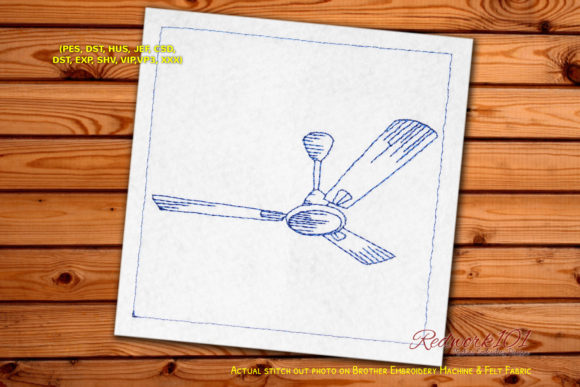
Three Blades Ceiling Fan Redwork
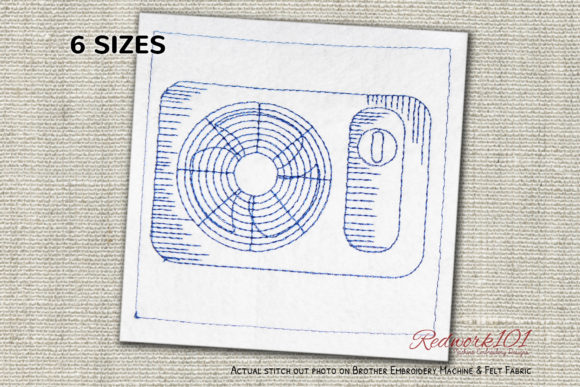
When I first opened the Three Blades Ceiling Fan Redwork design on Creative Fabrica, I felt a quiet sense of nostalgia. There is something about redwork embroidery that feels like a handwritten letter—simple, honest, and full of intention. This design captures the clean silhouette of a ceiling fan with three blades, rendered in that classic redwork style that so many of us love for personalized gifts and handmade home decor. As someone who has stitched thousands of custom orders, I can tell you right away: this is a design that understands the value of understated charm.
A First Stitch Impression
The emotional appeal of Three Blades Ceiling Fan Redwork lies in its softness. The lines are gentle, the shapes are balanced, and the overall look feels cozy rather than cold. It is not a loud, modern graphic—it is a decorative piece that whispers warmth. For those of us who create personalized gifts for families, new homeowners, or couples building a nest, this design fits naturally into a collection of heartfelt, handmade items. The redwork technique gives it a timeless quality, and the fan motif is both familiar and meaningful. It speaks of home, of comfort, of the small details that make a space feel lived in.
Gift Ideas That Feel Personal
I have been thinking about the kinds of projects where Three Blades Ceiling Fan Redwork would truly shine. Here is where I see it making a real difference in your handmade product lineup:
- Baby embroidery – A small fan design on a burp cloth or bib adds a sweet, unexpected touch for a nursery with a ceiling fan theme. It is playful without being childish.
- Wedding gift – Embroidered towels or a pillow cover with this design feel personal and practical. It is a motif that says "we wish you a cozy home."
- Family keepsakes – A blanket or a tote bag with the fan design becomes a memory piece. It reminds people of lazy summer afternoons and shared spaces.
- Nursery decor – Redwork on a small hoop frame or a crib sheet adds a handmade, vintage feel. It is gentle enough for a baby room.
- Embroidered towels – I would test this on a quality hand towel with a medium weave. The redwork lines stay crisp, and the design does not overwhelm the fabric.
- Pillow covers – A 12-inch hoop size or a standard pillow front works well. The design sits centered and balanced.
- Blanket embroidery – On a soft fleece or cotton blanket, the fan motif adds a custom touch without being too heavy.
- Aprons – For a housewarming gift, an apron with this design feels both useful and thoughtful.
- Tote bags – I would use a medium-weight canvas or cotton tote. The redwork stands out against natural tones.
- Custom home decor – Think of kitchen towels, placemats, or even a simple wall hanging. The design fits a range of household items.
Practical Details for Real Stitching
Now let me share what I noticed when I looked closely at the embroidery file. The Three Blades Ceiling Fan Redwork design is built with redwork in mind, which means the lines are generally clean and the stitch count is moderate. However, I always recommend a test stitch-out before committing to a batch of orders. Here are the practical concerns I consider:
- Small lettering or delicate shapes – The fan blades have a gentle curve. If the design includes any small text or thin lines, make sure your needle is sharp and your thread tension is balanced. A 75/11 needle works well for most redwork.
- Dense details – Redwork is usually not overly dense, but check the stitch density in your software. If the design feels too compact, reduce the density slightly or use a lighter stabilizer.
- Textured towels – Terry cloth or waffle weave can distort redwork lines. I use a tear-away stabilizer on top and a cut-away underneath for absorbent fabrics. Test on a towel scrap first.
- Stretchy baby clothes – Onesies and knit fabrics need a good stabilizer to prevent puckering. A medium-weight cut-away stabilizer is my go-to for stretchy materials.
- Thick blankets – Fleece and minky are prone to shifting. Use a sticky stabilizer or a water-soluble topping to keep the stitches clean.
- Dark fabric – Redwork on dark fabric can be striking, but choose a thread color that contrasts well. A bright red or a warm brick tone works beautifully. Test a few shades before stitching the final piece.
- Thread color contrast – The classic redwork red is a deep, warm shade. I recommend a 40-weight rayon or polyester thread for shine and durability. The contrast against a light background is what makes redwork sing.
- Washing durability – Redwork is generally durable, but I always advise customers to wash embroidered items inside out on a gentle cycle. Air drying preserves the thread color and fabric shape.
Building Trust With Every Stitch
When you offer personalized gifts with a design like Three Blades Ceiling Fan Redwork, you are not just selling a product. You are selling a feeling. I have seen how a carefully stitched towel or pillow can change a customer's perception of your brand. They notice the even stitches, the clean lines, the thoughtful placement. That trust translates into repeat orders and word-of-mouth recommendations. For Etsy sellers and small shop product creators, every detail matters. The redwork style feels authentic and handmade, which is exactly what buyers are looking for when they search for a meaningful gift.
Photography and Presentation
The Three Blades Ceiling Fan Redwork design photographs well. Because redwork is graphic and clean, it shows up clearly in product photos. I recommend stitching the design on a light-colored fabric and photographing it in natural light. The red thread pops against white, cream, or soft gray. You can also create a printable mockup for your digital listings. A mockup that shows the design on a towel or a pillow helps customers visualize the finished product. This is especially useful for digital product sellers who offer embroidery files or finished goods.
Commercial Use and Licensing
Before you start stitching for sale, take a moment to review the product details and licensing on Creative Fabrica. The Three Blades Ceiling Fan Redwork design is listed under the House category and Embroidery type. I always check the specific license terms for commercial use, especially if I plan to sell finished products or use the design in a small business setting. Some licenses allow unlimited commercial use, while others may have restrictions. It is your responsibility to confirm this before adding the design to your product line. I have seen too many crafters overlook this step and run into trouble later. Take five minutes to read the fine print—it is worth it.
Testing Your Stitch-Out
Here is my personal checklist before I use any new machine embroidery design for a client order:
- Create a test stitch-out on a fabric similar to the final project. Use the same thread color and stabilizer you plan to use for the real order.
- Check small details after stitching. Look for any skipped stitches, thread breaks, or distortion. Redwork lines should be continuous and smooth.
- Compare thread colors against the fabric. Sometimes a red that looks perfect on the screen can feel too bright or too dull on the actual fabric. Adjust as needed.
- Test on similar fabric – If you are stitching on a towel, test on a towel. If you are stitching on a cotton onesie, test on a similar knit. Fabric behavior varies.
- Confirm hoop size – Make sure the design fits your hoop with enough margin for stabilization. The Three Blades Ceiling Fan Redwork design should be centered and well within the hoop area.
- Review stitch density – If the design feels too dense, reduce the density slightly in your software. Redwork should feel airy, not heavy.
- Use proper stabilizer – For most redwork projects, a medium-weight cut-away or tear-away stabilizer works well. For stretchy or loose-weave fabrics, add a topper.
- Check product details and licensing on Creative Fabrica before selling finished products. This step is non-negotiable for me.
Why This Design Works for Gifts
The Three Blades Ceiling Fan Redwork design has a quiet versatility. It is not a seasonal motif, so it works year-round. It is not tied to a specific holiday, which makes it a great option for housewarming gifts, wedding presents, or just-because surprises. I can imagine a customer ordering a set of embroidered kitchen towels with this design for a friend who just bought their first home. The emotional value is real. The design says, "I thought about what makes your home feel like yours." That is the kind of thoughtfulness that builds a loyal customer base.
Final Thoughts From the Hoop
As an embroidery designer, I look for designs that are both beautiful and practical. Three Blades Ceiling Fan Redwork checks both boxes. It has a classic redwork aesthetic that appeals to crafters and gift buyers alike. It is simple enough to stitch quickly, yet detailed enough to feel special. Whether you are making a baby embroidery gift, a personalized home decor piece, or a custom embroidery item for your Etsy shop, this design is a solid addition to your library. I encourage you to download the file, run a test stitch-out, and see how it feels in your hands. Sometimes the simplest designs are the ones that carry the most meaning. This is one of them.