Sewing and Knitting Materials Redwork
As a professional embroidery designer who spends more weekends than I can count behind a craft fair booth, I have learned to look at every new machine embroidery design through a very practical lens. Will it catch a customer's eye from three tables away? Will it stitch out cleanly on the products I need to make in batches? Will it hold up after a wash and still look like a premium handmade product? When I sat down to review Sewing and Knitting Materials Redwork, I asked myself all of those questions. This design has a distinct charm that immediately felt like a strong contender for my next craft fair product lineup. Let me walk through what I see, where I would use it, and what every small shop product maker should consider before stitching it out.
First Impressions of This Redwork Design
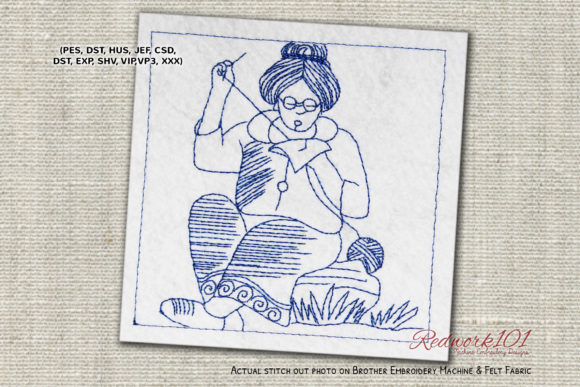
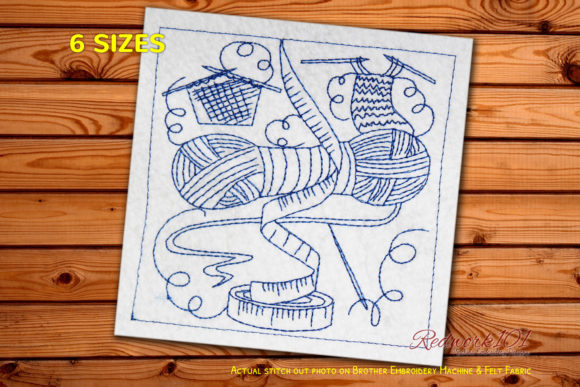
The first thing I noticed about Sewing and Knitting Materials Redwork is its warm, vintage personality. Redwork embroidery has a long history in folk art and farmhouse decor, and this design embraces that tradition without feeling dated. The subject matter is immediately relatable to anyone who sews or knits. Scissors, thread spools, knitting needles, yarn, and thimbles are arranged in a way that feels collected rather than crowded. The overall mood sits somewhere between rustic and cheerful. It is not overly cute, nor is it cold and minimal. It has a handmade soul that feels authentic, which is exactly the kind of energy that stops shoppers at a craft fair. The optional box stitch gives it a framed look, but in my opinion, skipping the box makes the design feel more organic and better suited for soft home goods.
Where This Design Shines at a Craft Fair
When I evaluate a digital embroidery file for real-world selling, I picture my booth table. I think about what products will make customers reach for their wallets. Sewing and Knitting Materials Redwork performs beautifully on several key items.
Tote Bags and Market Bags
A tote bag is one of the easiest products to sell at a market, and this design is a natural fit for a tote bag design. The composition can sit centered on a medium to large tote and become a statement piece. Because redwork relies on a single thread color, the stitching looks clean and intentional. I would use a natural cotton or canvas tote in cream, oatmeal, or light gray so the red thread pops without competing with the fabric. Customers who sew or knit will immediately connect with the imagery, and those who appreciate handmade quality will recognize the craftsmanship.
Aprons
Apron embroidery is another strong category for this design. An apron worn by a sewer or knitter becomes a personal uniform. Sewing and Knitting Materials Redwork placed on the chest panel or across the lower pocket area feels like a celebration of the craft. The design is not too large to overwhelm an apron, but it is detailed enough to look like a premium finished product. I would test it on a medium-weight cotton apron and use a tear-away stabilizer to keep the stitches crisp.
Tea Towels and Kitchen Towels
Tea towel embroidery is a staple for handmade sellers, and this design works very well in that format. The redwork style is classic for kitchen linens, and the sewing and knitting motif adds a layer of personality that sets it apart from generic floral or lettering designs. I would position it near the hem of a tea towel so it is visible when folded or hung. Keep in mind that towels have a noticeable fabric texture, so a medium-density design like this one will stitch best with a cut-away stabilizer and a sharp needle.
Embroidered Patches
Patches are a low-cost, high-margin product that can be sewn or ironed onto jackets, pouches, and gift items. Sewing and Knitting Materials Redwork could be digitized as an embroidered patch with a satin stitch border. The single-color nature of redwork makes patch production fast and consistent. I would offer patches in a small and medium size so customers can choose based on their project. Patches are also an excellent way to test a design at a booth without committing to a full run of bags or aprons.
Small Pouches and Pillow Covers
Small fabric pouches are quick to make and easy to sell in multiples. A zippered pouch with this design on the front panel makes a practical gift for a sewing friend. Pillow covers, especially in a farmhouse or cottage style, can carry this design as a decorative accent. I would use a linen or cotton blend and keep the pillow cover simple so the embroidery remains the focal point.
Practical Selling and Production Points
Every craft fair product needs to be understood at a glance, and Sewing and Knitting Materials Redwork passes that test. The scissors, spools, and knitting needles are recognizable shapes even from a distance, especially when stitched in a bold red thread. This is a major advantage for booth display. When a customer walks by, they do not need to read a sign to understand what the design represents. That instant recognition drives engagement and leads to conversations.
The design works well as either a small accent or a larger focal element. At a smaller size, it becomes a subtle detail on a cap or a pouch. At a larger size, it commands attention on a tote or apron. This flexibility means you can offer the same design across multiple product categories, which builds brand consistency and makes your booth look cohesive. For Etsy sellers, having a design that photographs well is critical. The single-color redwork creates high contrast without being busy, so it reads clearly in product photos and in printable mockups. I would recommend stitching a sample on light fabric and photographing it in natural light to capture the depth of the red thread.
Batch production is another area where this design performs well. Because redwork uses only one thread color, you can stitch multiple items without changing thread. That saves time and reduces the chance of tension issues between color changes. For a craft fair product run, that efficiency matters. I would plan to stitch a batch of tea towels and a batch of tote bags in one session, using the same hoop size and stabilizer setup.
Technical Considerations for Clean Stitching
No design review is complete without looking at the technical side. Sewing and Knitting Materials Redwork appears to have moderate stitch density, which is appropriate for redwork. Redwork traditionally uses outline and fill stitches that are not overly dense, but you should always check the stitch count and density in your embroidery software before stitching. If the density is too high, the fabric may pucker or the thread may feel stiff. If it is too low, the design may look thin and lose its impact.
Pay attention to small details. The scissors and knitting needles likely have fine points and narrow shafts. These areas can lose clarity if the design is scaled down too much. I recommend testing the design at your intended size on scrap fabric before committing to a batch. If the tiny details become muddled, consider enlarging the design slightly or simplifying the problematic areas in your software.
Small lettering, if present in the design, is always a risk in embroidery. Letters that are too small can become unreadable, especially on textured fabrics like towels or thick cotton. If Sewing and Knitting Materials Redwork includes any text, test it carefully. For dark fabric, red thread on a dark background may not have enough contrast. Redwork is traditionally done on light or white fabric, and I strongly recommend sticking with that approach. A light cream, natural, or pale gray fabric will make the red thread pop and keep the design looking crisp.
Fabric texture matters. Smooth fabrics like cotton quilting weight or linen are ideal for this design. Thick towels, fleece, or heavily textured fabrics can distort the stitches and hide the fine details. If you want to embroider on a towel, use a cut-away stabilizer and a sharp needle, and consider reducing the design density slightly to prevent the fabric from buckling. For curved surfaces like caps, test the design on a scrap cap panel first. The design may need to be flattened or adjusted to avoid distortion on the curve.
Practical Embroidery Designer Notes
Before you turn this design into a finished product, I recommend a short checklist. First, stitch a test sample on the exact fabric you plan to use. Check thread contrast against the fabric. Red thread on a cream background is classic, but you can also use a deep burgundy or brick red for a slightly different mood. Review the spacing between elements. If any parts of the design feel too close together, they may blend into a single blob of red thread, especially at smaller sizes. Confirm that your hoop size is appropriate for the design dimensions. You do not want to struggle with hooping a design that is too large for your hoop or too small to show the details.
Use the right stabilizer. For most woven fabrics, a medium-weight cut-away stabilizer will give you clean results. For towels or stretchy fabrics, use a heavier stabilizer or a combination of tear-away and cut-away. Stitch at a moderate speed and check tension frequently. Red thread can show tension issues more visibly than some other colors, so take the time to dial in your machine settings.
Create at least one real mockup of the finished product. A digital embroidery file looks different on a screen than it does stitched onto a tote bag. A real mockup will help you see how the design sits on the product, how it interacts with seams and pockets, and whether the size feels right. That mockup can also become your product photo or part of your printable mockup assets for Etsy listings.
Before selling any finished products, confirm the commercial licensing for the Sewing and Knitting Materials Redwork embroidery file. Most digital embroidery file sellers include a license that allows you to sell the physical products you make, but the terms vary. Some licenses restrict the number of items you can produce or require attribution. Make sure you are in compliance so you can sell with confidence at your craft fair booth or in your Etsy shop.
Final Thoughts for Craft Fair Sellers
Sewing and Knitting Materials Redwork is a design that understands its audience. It speaks directly to people who love the craft of sewing and knitting, which is a large and loyal customer base at handmade markets. It has a timeless aesthetic that fits farmhouse decor, cottage style, and vintage-inspired homes. It performs well on a range of products, stitches cleanly in a single color, and photographs beautifully for online listings. For a small shop product, it offers the kind of versatility that makes batch production efficient and booth display compelling. If you are preparing for a weekend craft fair and want a design that feels personal, professional, and ready to sell, this one is worth adding to your production lineup. Stitch a sample, set up your stabilizer, and get ready to watch customers smile when they recognize the tools of their own craft.