Cute Baby Elephant Sketch: Design Review for Small Business
When I first opened the Cute Baby Elephant Sketch machine embroidery design, I was looking for a file that could serve a dual purpose: charm the customer and hold up in a production environment. As someone who spends hours testing digital embroidery files for small business merch, I know that not every cute design translates well onto an apron or a cap. This review is for the embroidery shop owners, Etsy sellers, and handmade brands who need a reliable, versatile design that builds brand identity and sells finished products. The Cute Baby Elephant Sketch from the Wild Animals category has some serious potential, but like any asset, it requires the right strategy to maximize its commercial value.
First Impressions: A Sketch Style with Business Potential
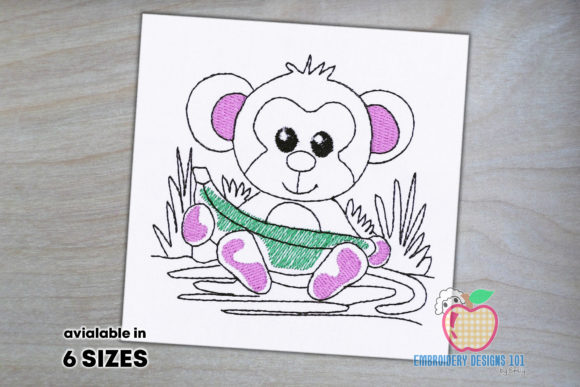
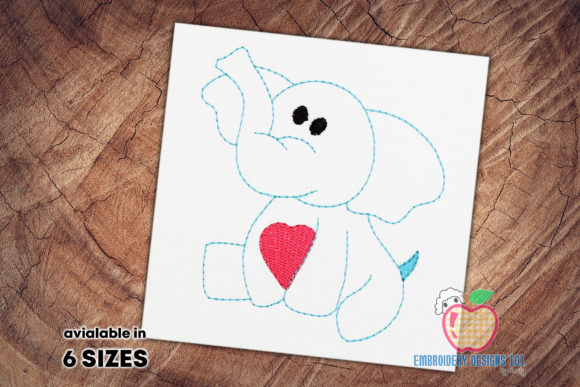
The first thing that stood out to me is the "sketch" aesthetic. It immediately signals a handmade, artistic, or boutique quality. The description confirms it is "not 100% filled," which is a huge green flag for commercial embroidery. Low to medium stitch density means faster production times, less thread breakage, and a softer hand feel on the finished product. This design doesn't fight the fabric; it works with it. For a small business, this translates to lower production costs and a more comfortable product for the end customer.
The baby elephant itself is a universally appealing symbol of gentleness, wisdom, and loyalty—perfect for businesses focused on community, family, or nature. The sketch style aligns well with modern, minimalist branding trends. It doesn't look like a generic clip art; it looks like a custom illustration, which adds a layer of authenticity to any custom apparel or embroidered patch project.
Real-World Business Applications: Where This Design Shines
The true test of any embroidery file is its versatility across different merchandise. Here is where the Cute Baby Elephant Sketch excels:
- Embroidered Patches for Local Businesses: Imagine a local bookstore or a children's boutique using this as an embroidered patch on their staff aprons. It becomes a conversation starter and a visual anchor for the brand. The open areas in the sketch design make it ideal for patch backing, as it won't become stiff or bulky.
- Custom Apparel for Cafés & Bakeries: A small batch coffee roaster or a bakery could use this on their staff uniforms. The sketch style feels artisanal, not corporate. It tells a story of craft and care. For apron embroidery, the low density ensures the apron remains breathable and comfortable during a busy shift.
- Tote Bag Design: This is a standout application. A large version of this sketch on a canvas tote bag creates a premium, handmade look that customers will pay a premium for. It turns a simple bag into a branded accessory that people actually want to carry. The tote bag design market loves artistic, single-color sketches.
- Cap Embroidery: Because it is light on density, it can be curved and digitized well for a cap front, provided the size is scaled correctly. It works beautifully as a subtle front logo or a side patch. Cap embroidery requires designs that can compress without distorting, and the sketch style handles this well.
- Handmade Product Labels: Creating a small embroidered patch or using a printable mockup of the design for product packaging adds a tangible, high-end feel. It bridges the gap between digital presence and physical product, reinforcing the handmade product narrative.
Critical Considerations for Embroidery Production
This is where the designer's eye comes in. Before you commit to a bulk order, consider these factors to ensure a smooth production run:
- Size Scaling: The file comes in multiple sizes, which is crucial. For a cap, you need a small, compact design. For a tote bag or back of a jacket, a larger size is perfect. Always measure the hoop space and the garment area before selecting your size. Check the hoop size requirements for each iteration of the file.
- Stitch Density & Fabric: The "not 100% filled" nature means less thread pulling on delicate fabrics. Use a tear-away stabilizer for stable fabrics like cotton twill or canvas, and a cut-away stabilizer for knits or performance wear to prevent flagging. The stitch density is manageable, but always test on your specific fabric texture.
- Thread Colors: Test it in a single color, like black or white, for a modern, minimalist brand identity. For a more playful feel, use a bright thread color. The sketch lines need to be thick enough to register on textured fabrics like towels or fleece. High contrast thread colors will make the sketch lines pop.
- Hoop Size: Check the required hoop size for the largest iteration of the design. A standard 5x7 hoop should handle most mid-sized versions, but always verify before setting up a production run.
- Troubleshooting: If you see puckering, the density might be too high for the fabric, or the stabilizer might be too light. If the design feels too stiff, consider reducing the underlay or using a finer thread weight. The sketch style is forgiving, but proper stabilizer choice is still critical.
How This Design Impacts Brand Identity
In the world of small business merch, every detail matters. A well-executed embroidered patch or apparel design builds customer trust. It signals that the business is established, professional, and cares about quality. The Cute Baby Elephant Sketch can be a core part of a brand's visual consistency. It is friendly enough to attract customers, yet stylized enough to look premium.
When a customer sees a beautifully embroidered tote bag or a staff apron, it increases their perceived value of the product and the brand. The elephant symbolism adds a layer of emotional resonance—memory, loyalty, and strength. This doesn't just decorate a product; it reinforces the brand's identity and story. For an Etsy seller or a boutique owner, this design can become a signature element that customers recognize and seek out. It elevates the entire handmade product line from simple goods to branded merchandise.
Practical Designer Notes Before You Hit "Stitch"
Before you use this file for commercial embroidery, here is my checklist to ensure professional results:
- Confirm Licensing: Ensure your digital embroidery file license covers commercial use for selling finished products. Most standard licenses allow this, but it is your responsibility to verify.
- Test in Black and White: Stitch out a sample in black thread on white fabric and white thread on black fabric. This shows you the true structure and spacing of the design without color distraction. It is the best way to evaluate the stitch density and line work.
- Create a Mockup: Use a printable mockup to show the client how it looks on a cap, apron, or tote bag before stitching. It helps manage expectations and reduces revisions. A good mockup can sell the project before you even thread the needle.
- Check Spacing: The "sketch" style relies on open areas. Ensure the jump stitches are trimmed cleanly, especially for patches. Loose threads can ruin the open, airy aesthetic of the machine embroidery design.
- Fabric Test: Always test on the exact fabric you plan to use for production. A design that looks great on cotton twill might sink into a high-pile towel or distort on a stretchy knit. Adapt your stabilizer and backing accordingly.
- Compare Assets: If you have other design assets, like a full logo or text, compare this sketch beside them to ensure visual consistency across your merch line. The weight and style should complement each other.
- Check Thread Contrast: For a sketch design, the contrast between the thread and the fabric is key. Light thread on dark fabric will pop, while tone-on-tone will create a subtle, textured look. Choose based on your brand identity goals.
Final Thoughts on the Cute Baby Elephant Sketch
The Cute Baby Elephant Sketch is more than just a cute animal design. It is a versatile, business-ready machine embroidery design that can elevate a small brand's merchandise. Whether you are creating embroidered patches for a local business, custom apparel for a boutique, or branded gifts for your Etsy shop, this design offers a professional, friendly, and scalable solution. With proper testing, stabilizer choice, and production planning, it can become a signature asset in your commercial embroidery portfolio. It balances the handmade charm of a sketch with the technical requirements of modern production, making it a solid addition to any small business merch lineup.